What Is a Level 2 Chimney Inspection and When Do You Need One in Westfield
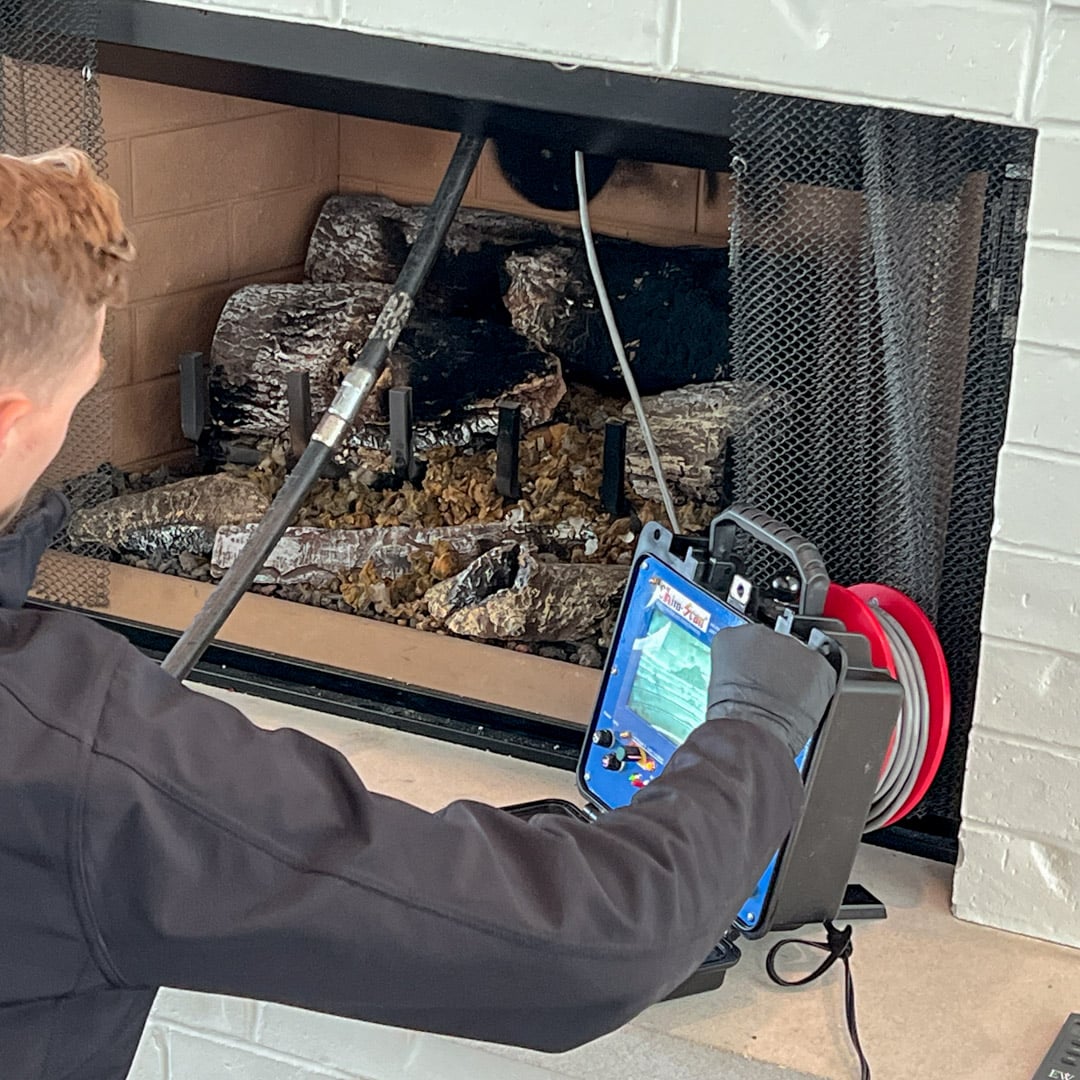 There is a difference between a chimney that looks fine and a chimney that is fine. A Level 2 chimney inspection exists precisely to close that gap. It goes further than what a technician can see with a flashlight and a mirror, using camera equipment to inspect the interior of the flue from top to bottom.
If you are buying or selling a home in Westfield, have experienced a chimney fire or severe weather event, or are changing the appliance connected to your chimney system, a Level 2 inspection is not optional. Here is what you need to know.
What Is the Difference Between Inspection Levels?
The National Fire Protection Association standard NFPA 211 defines three levels of chimney inspection. Each is designed for a specific situation and differs significantly in scope and depth.
A Level 1 inspection covers the accessible portions of the chimney interior and exterior plus readily accessible areas of the attic, basement, and crawl space. It is the appropriate standard for a regularly used chimney with no significant changes in use or recent events. Most annual inspections fall into this category.
A Level 2 inspection includes everything in Level 1 plus a complete inspection of the accessible areas of the attic, basement, and crawl space AND a video scan of the interior of the flue from the firebox to the chimney cap. The video inspection is the critical difference. It allows the technician to see liner cracks, gaps, offsets, and obstructions that are completely invisible from above or below.
A Level 3 inspection goes further still and may involve removing components to access areas that cannot otherwise be reached. Level 3 is reserved for cases where a serious hazard is suspected but cannot be confirmed at Level 2.
When Is a Level 2 Chimney Inspection Required?
NFPA 211 specifies several situations that trigger the requirement for a Level 2 inspection.
You need a Level 2 inspection when buying or selling a home. The real estate transaction transfers responsibility for the chimney system to the buyer. A Level 2 inspection is the standard for establishing chimney condition at time of sale and is commonly required by home inspectors and mortgage lenders.
You need a Level 2 inspection after a chimney fire. Even a small chimney fire that seemed minor can cause significant damage to the flue liner. The damage is not visible without a camera inspection. Continuing to use a chimney after a fire without a Level 2 inspection is a serious safety risk.
You need a Level 2 inspection after severe weather. A tornado or high-wind event, a significant hail storm, or an earthquake can cause structural shifts in the chimney that are not visible externally. The flue liner may be cracked or displaced even when the exterior looks intact.
You need a Level 2 inspection when changing the heating appliance connected to the chimney. Switching fuel types, converting from a wood-burning fireplace to a gas insert, or installing a new furnace that vents through an existing chimney all require a Level 2 inspection to confirm the liner is appropriate for the new appliance.
What Does a Level 2 Inspection Include?
A Level 2 inspection from Chimney Solutions Indiana includes:
– All components of a standard Level 1 inspection
– Inspection of accessible attic, basement, and crawl space areas
– Camera scan of the full flue interior from firebox to cap
– Video recording of the inspection that documents the flue condition
– Written inspection report with findings and photographs
– Clear explanation of any repairs required before the system can be safely used
The camera scan is the component that justifies the additional cost. Flue liner damage, deteriorated mortar joints between flue tiles, displaced sections, and hidden blockages are only visible through the camera.
What Are Common Findings in a Level 2 Inspection for Westfield Homes?
Westfield homes with older chimneys frequently show the following findings in camera inspections.
– Cracked or broken flue tiles, especially in chimneys over 20 years old
– Mortar deterioration between flue tiles creating gaps and spalled material
– Displaced tiles from settling or thermal stress
– Creosote accumulation at bends or restrictions in the flue
– Previous repairs that were completed incorrectly
– Liner sizing mismatched with the current appliance
None of these findings are visible from outside the chimney or from the firebox opening. All of them affect the safety of the system in meaningful ways.
How Long Does a Level 2 Inspection Take?
A Level 2 inspection typically takes two to three hours for a standard residential chimney. The additional time over a Level 1 inspection is primarily the camera setup, the scan itself, and the thorough documentation of findings. Plan for a half-day appointment.
Comparing Level 1 and Level 2 Inspections
A Level 1 inspection uses visual assessment with a flashlight and basic tools. It covers the firebox, damper, smoke chamber, accessible flue, crown, cap, flashing, and exterior masonry. It is appropriate for annual maintenance when no significant events have occurred. A Level 2 inspection adds video scanning of the full flue interior and inspection of attic and crawl space areas. It is required after any significant event, at the time of a real estate transaction, or when changing the connected appliance. The cost difference between Level 1 and Level 2 is modest compared to the additional information a camera inspection provides.
Schedule Your Level 2 Inspection With Chimney Solutions Indiana
Chimney Solutions Indiana serves Westfield, Carmel, Fishers, Noblesville, Indianapolis, Zionsville, and surrounding communities. If you are buying a home, selling a home, have had a chimney event, or are changing your heating appliance, call us at (317) 757-6979 or visit chimneysolutionsindiana.com to schedule your Level 2 chimney inspection. It is the most thorough way to know exactly what you are working with before your next heating season.