How to Get Your Wood-Burning Fireplace Ready for Fall in Indianapolis
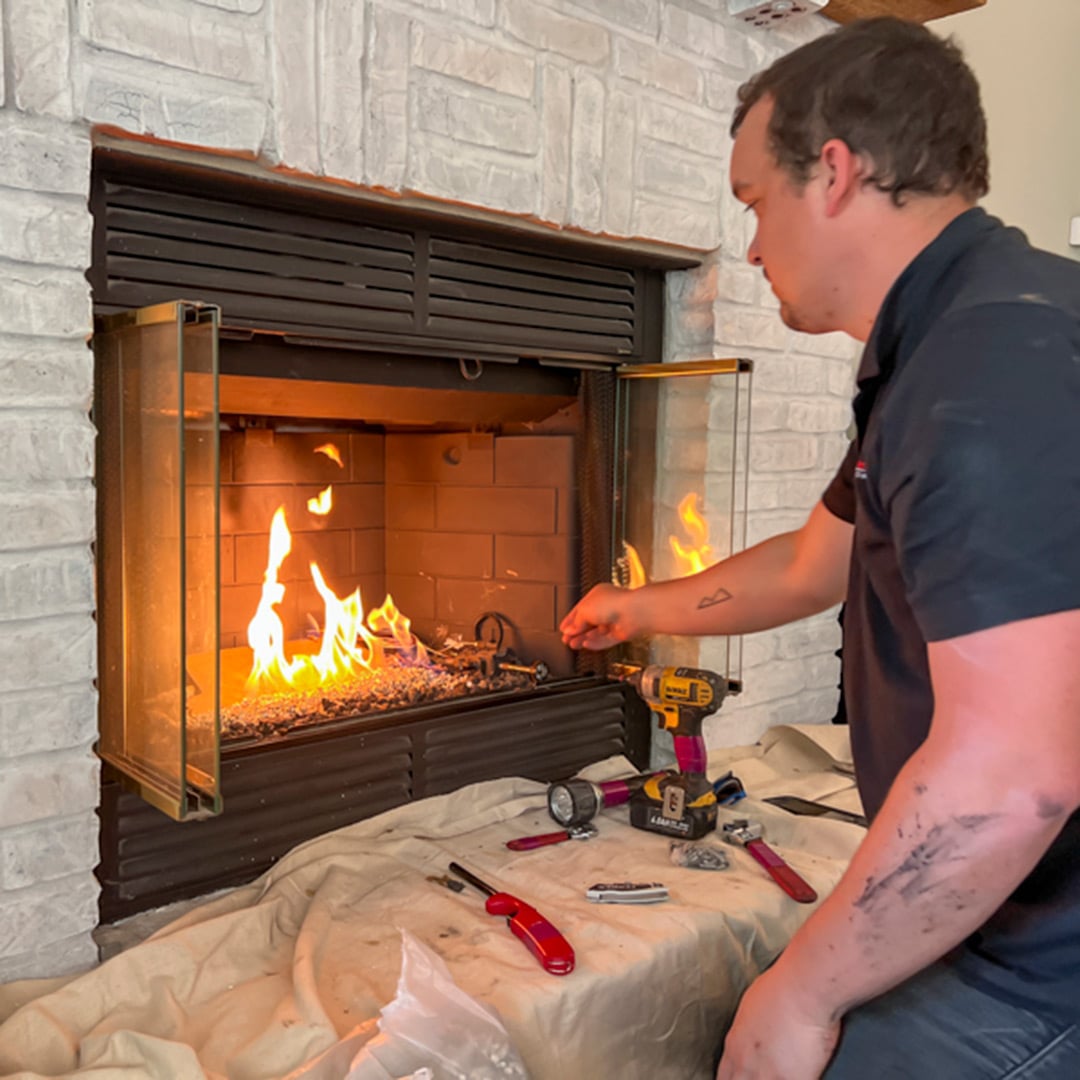 Fall in Indianapolis means cool evenings, the smell of burning leaves, and the moment someone in the house says, let’s use the fireplace tonight. Before that happens, your wood-burning fireplace needs a quick but thorough preparation. Here is how to get it done right.
Step 1 – Schedule a Professional Chimney Cleaning and Inspection
This is not optional. The National Fire Protection Association recommends annual inspection and cleaning of all chimneys regardless of how much they are used. A certified chimney sweep clears creosote from the flue, inspects the liner for cracks, checks the damper, and confirms the chimney is structurally sound.
If you burned more than a cord of wood last winter, creosote buildup makes this even more critical. Do not skip it.
Step 2 – Test the Damper
Open and close the damper fully before your first fire. It should move smoothly and seal completely when closed. A stuck or damaged damper is a safety issue, an improperly sealed damper lets cold air and animals into the home all winter.
If the damper feels stiff, grinds, or does not fully open, have it inspected before use.
Step 3 – Clear the Firebox
Remove all ash and debris from last season. Use a metal ash bucket, ash holds heat far longer than most people expect, and a standard trash can is a fire hazard. Once the firebox is cleared, inspect the firebrick walls and mortar joints for cracks. Small cracks in the mortar between firebrick should be repaired before heating season.
Step 4 – Check the Chimney Cap and Damper from Outside
Take a look at the top of your chimney from outside. The chimney cap should be intact with no missing mesh and no visible cracks in the cap or crown. Animals, especially birds and squirrels – nest in chimneys during summer. A damaged cap is an open invitation.
Step 5 – Source and Stack Your Firewood Properly
The wood you burn directly affects how much creosote your chimney produces.
Wood Type | Burn Quality | Creosote Risk
Seasoned hardwood (oak, hickory, maple) | Hot, clean burn | Low
Softwood (pine, cedar) | Fast burn, lots of smoke | High
Unseasoned or green wood | Smokes heavily | Very high
Only burn seasoned hardwood that has dried for at least 12 months. Store it off the ground, covered on top, and away from the house.
Step 6 – Test Your Smoke and Carbon Monoxide Detectors
Before the first fire of fall, test every smoke detector and carbon monoxide alarm in the house. Replace batteries if needed. A fireplace that has not been used in months may produce unusual smoke on the first burn, working detectors are your safety net.
Book Your Indianapolis Fireplace Prep Today
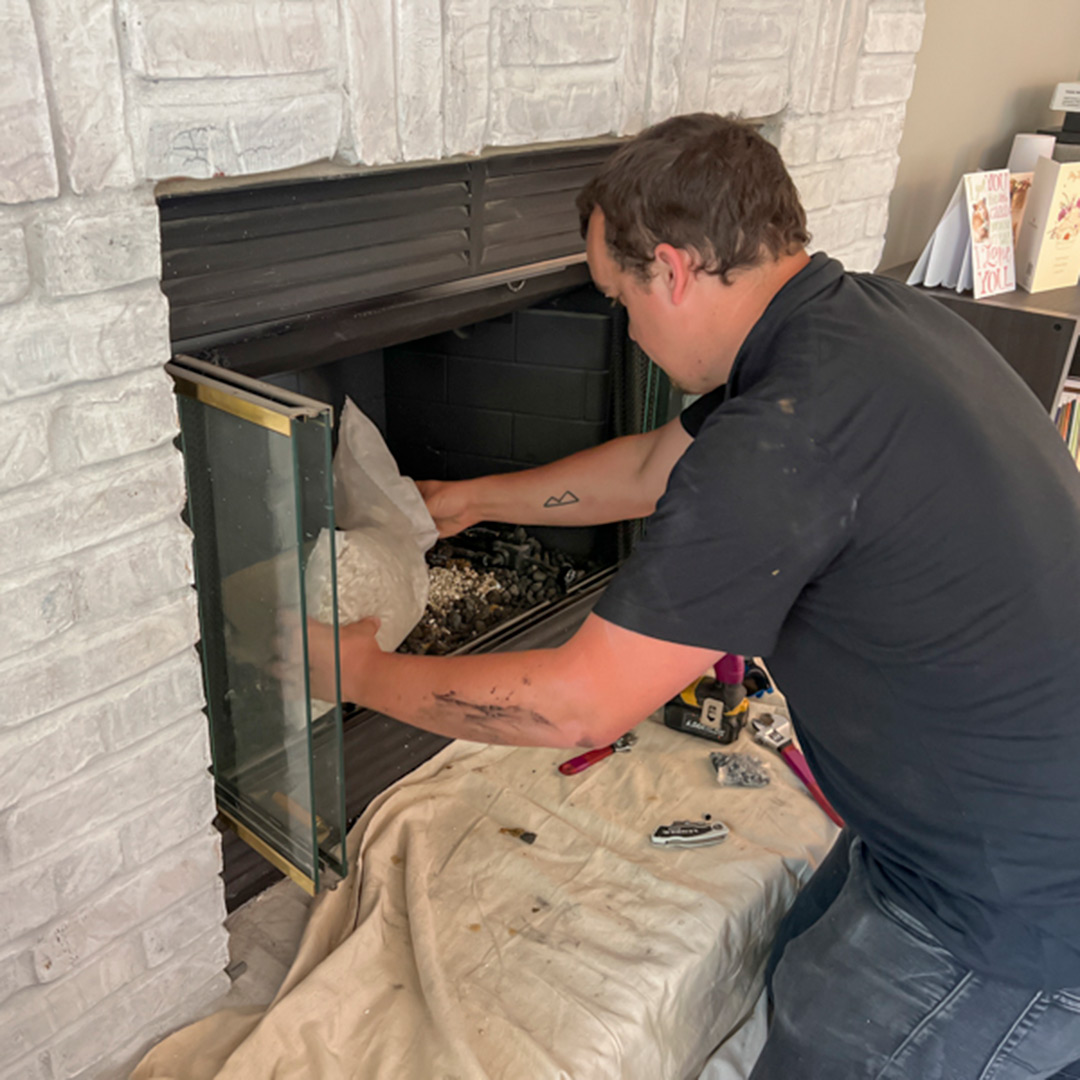 Chimney Solutions Indiana serves Indianapolis and surrounding communities with certified chimney cleaning, inspection, and repair. Get your fireplace ready before the fall rush fills our schedule.
Visit chimneysolutionsindiana.com or call us to book your appointment today.