How Freeze-Thaw Cycles Destroy Brownsburg Chimneys and What You Can Do About It
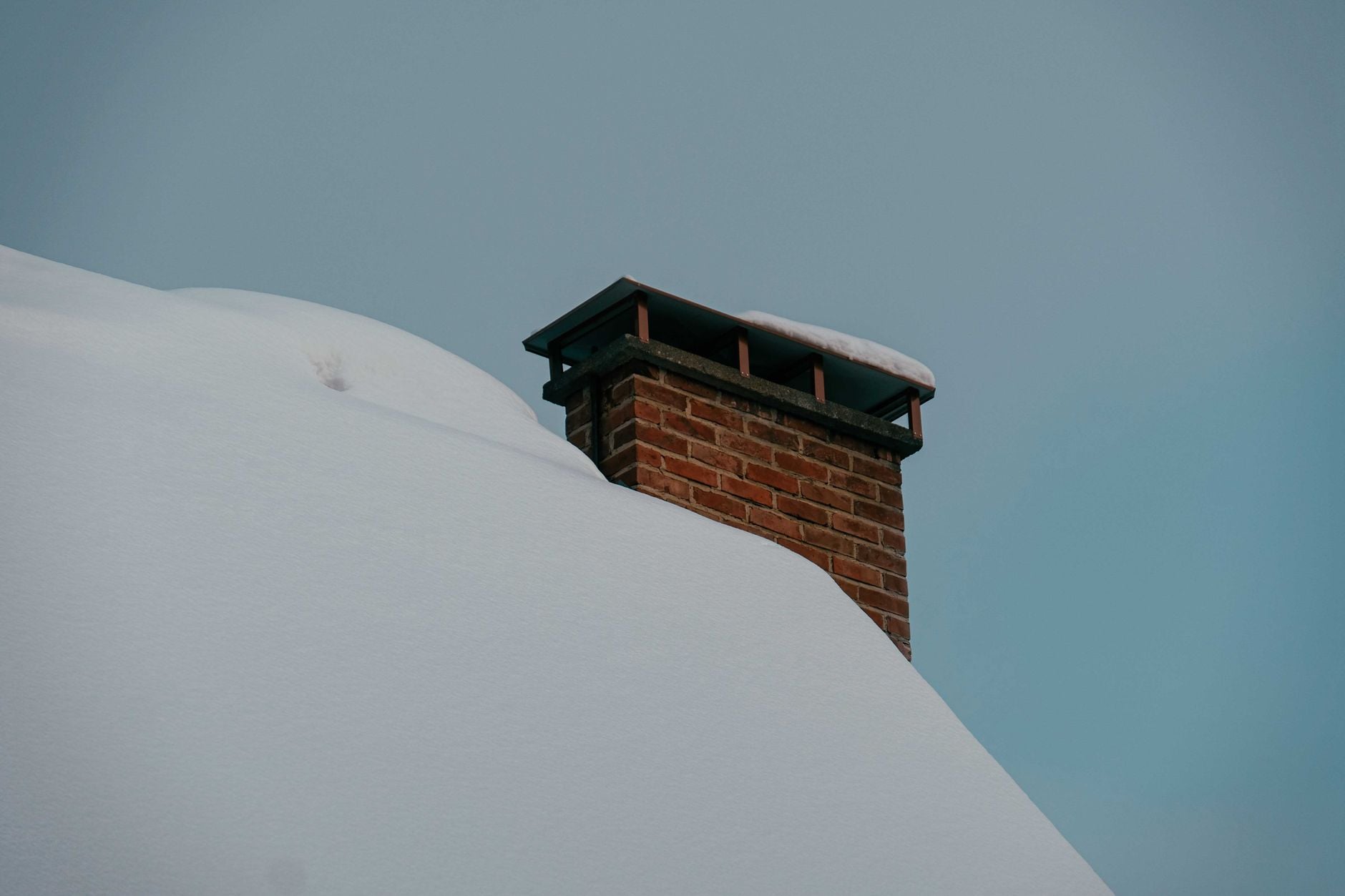
Indiana winters do not just bring cold. They bring cycles of freezing and thawing that are mechanically destructive to masonry in ways that sustained cold alone is not. Brownsburg homeowners who see cracked bricks or missing mortar in spring are almost always looking at the cumulative damage from dozens of freeze-thaw cycles over the previous winter. Understanding exactly how this process works helps explain why pre-winter repairs are so effective at stopping it.
The Physics of Freeze-Thaw Damage
Water expands when it freezes. That single fact is responsible for an enormous amount of chimney damage across Indiana every year.
Here is the cycle. Rainwater and moisture from the air are absorbed into the porous surface of brick and mortar. As temperatures drop below freezing overnight, that water expands by approximately nine percent as it converts to ice. The expansion pushes outward against the surrounding brick or mortar material. When temperatures rise above freezing during the day, the ice melts, the material contracts, and water is absorbed again.
Each cycle applies mechanical pressure to the masonry. Over a single Indiana winter, Brownsburg chimneys can experience thirty, forty, or even fifty or more of these cycles depending on the weather pattern. Each cycle widens microscopic cracks slightly. After a few winters without maintenance, those microscopic cracks become visible damage.
What Freeze-Thaw Damage Looks Like
The effects of freeze-thaw damage present themselves in several recognizable forms on a chimney.
Spalling brick is the most visible sign. The outer face of the brick, the fired surface, breaks away and falls off, leaving a recessed, rough surface behind. Spalling bricks have lost their weather-resistant outer layer and are now even more vulnerable to moisture absorption and further damage.
Mortar deterioration is extremely common in Indiana chimneys. Mortar is more porous and less durable than brick, so freeze-thaw cycles erode mortar joints faster. Gaps in the mortar allow water direct access to the interior of the chimney structure.
Horizontal cracking in mortar joints follows the pattern of water expansion pushing bricks apart from each other. Horizontal cracks are structurally significant because they can indicate that courses of brick are separating.
Stair-step cracks follow the diagonal mortar joint pattern through the chimney face. These cracks allow water entry at multiple points simultaneously.
The Compounding Damage Cycle
Freeze-thaw damage compounds itself because each cycle of damage makes the next cycle worse. A tiny crack that allows water in during the first winter becomes a larger crack after the first freeze expands it. The larger crack allows more water the next rain. More water means more ice volume during the next freeze. More ice volume means more expansion force.
Left unrepaired, a chimney that starts with minor mortar erosion can reach structural instability within three to five Indiana winters. The progression looks like this.
| Stage | Visible Damage | Repair Required | Repair Cost Range |
|---|---|---|---|
| Early | Minor mortar erosion, hairline cracks | Tuckpointing of affected joints | Low |
| Moderate | Spalling brick, wider mortar gaps | Tuckpointing plus brick replacement | Moderate |
| Advanced | Multiple courses of damaged brick | Partial chimney rebuild | High |
| Severe | Structural compromise, leaning | Full chimney rebuild or removal | Very High |
Catching damage at the early stage and addressing it with tuckpointing costs a small fraction of what advanced stage repair costs.
Why Pre-Winter Repair Is More Effective
Mortar repairs, tuckpointing, and brick replacement all require warm temperatures to cure properly. Fresh mortar needs temperatures above 40 degrees and ideally above 50 degrees during the cure period, which typically runs at least 24 to 48 hours after application.
When repairs are made in fall before temperatures drop, the cured mortar enters winter in a stable, hardened state. It is far more resistant to freeze-thaw damage than fresh or partially cured mortar.
Repairs made in winter under the wrong conditions often fail within the first freeze-thaw cycle. The mortar never cures properly, and it spalls off along with the surrounding material, leaving the chimney in worse condition than before the repair.
The pre-winter repair window in Brownsburg runs from late August through mid-October. September is the optimal month because temperatures are reliably warm, contractors are available before the fall rush, and there is sufficient time for proper curing.
Waterproofing After Repairs
Once mortar repairs and any spalled brick replacement are complete, professional waterproofing adds a critical layer of protection. Chimney waterproofing products penetrate the masonry surface and reduce the amount of moisture absorbed without trapping vapor that needs to escape from inside.
A properly waterproofed chimney absorbs far less water with each rain, which means far less ice volume during freeze events. The mechanical stress of each freeze-thaw cycle is significantly reduced.
Professional chimney waterproofing products are different from standard masonry sealers. Many consumer masonry sealers trap moisture inside the brick and actually worsen freeze-thaw damage. Professional products allow vapor transmission while blocking liquid water from entering.
How to Identify Damage Before Winter
Brownsburg homeowners can do a basic visual inspection from the ground to spot signs of freeze-thaw damage that warrant a professional evaluation.
Look for these specific indicators.
- Brick face pieces on the ground, on the roof, or in the gutters
- Rough, recessed areas on the brick face where spalling has occurred
- Dark lines or gaps in the mortar joints, especially horizontal joints
- White mineral staining (efflorescence) indicating moisture is moving through the masonry
- Any visible cracks, whether hairline or wider, on the chimney face
If you spot any of these, a professional inspection before winter is the right next step. Your technician will assess the extent of damage, identify the right repair approach, and complete the work while the repair window is still open.
Start the Winter With a Sound Chimney
A Brownsburg chimney that goes into winter with sound mortar, solid brick, a waterproof surface, and a sealed crown is well protected against everything Indiana freeze-thaw cycles can deliver. A chimney that goes into winter with existing cracks and gaps is a damage acceleration event waiting to happen.
Visit chimneysolutionsindiana.com to schedule a pre-winter chimney inspection and masonry repair in Brownsburg before the fall window closes.