Can You Repair a Chimney in Winter in Fishers or Do You Have to Wait for Spring
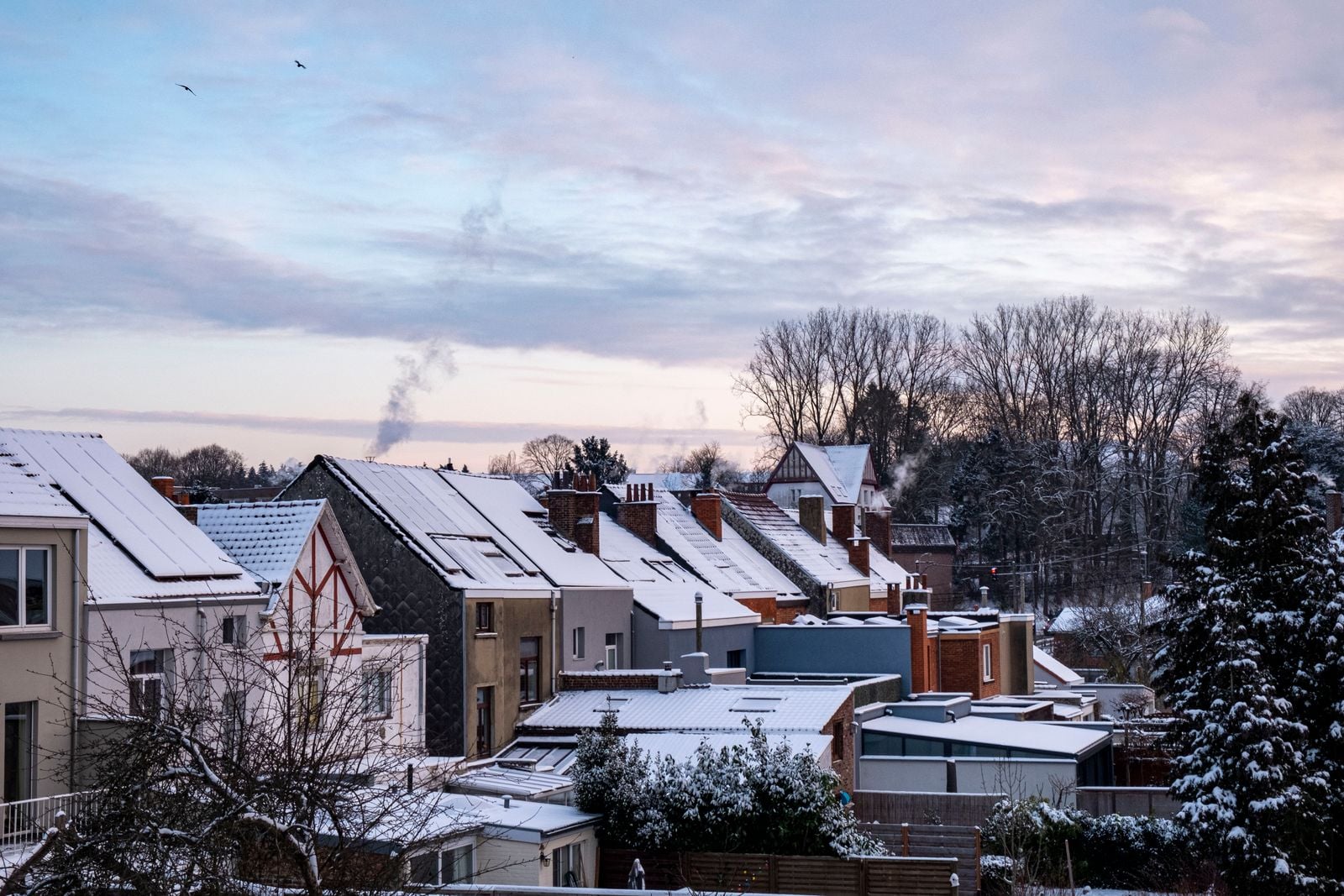 When you discover a chimney problem in the middle of an Indiana winter, waiting until spring can feel like a long time. But can chimney repairs actually be done when it’s cold outside, or do you have to put your fireplace out of commission until warmer weather arrives?
The short answer is that many chimney repairs can be completed in winter, but some are more challenging than others. The type of repair, the severity of the damage, and current weather conditions all play a role in determining whether the work can proceed safely and effectively.
What Chimney Repairs Can Be Done in Winter?
Not all chimney work requires warm, dry conditions. Some repairs can proceed year-round, even when temperatures drop below freezing.
Interior chimney repairs are often the easiest to complete in winter. Work inside your home like replacing a damper, repairing a firebox, or installing a new chimney liner, can be done regardless of outdoor temperatures. These projects don’t rely on masonry mortar curing or exterior access, so cold weather doesn’t create delays.
Emergency structural repairs may also need to happen immediately, even in winter. If your chimney has sustained serious damage that poses a safety risk, such as a partial collapse, major cracks, or a compromised flue, waiting isn’t an option. In these cases, temporary repairs or protective measures can often stabilize the chimney until permanent work can be completed in better weather.
Minor exterior repairs can sometimes be completed during brief warm spells. If temperatures are expected to stay above freezing for a few consecutive days, small masonry repairs may be possible. However, this depends on the specific forecast and the type of mortar being used.
What Chimney Work Should Wait for Warmer Weather?
Certain chimney repairs are difficult or impossible to complete when temperatures drop below a specific threshold.
Masonry and tuckpointing work generally requires temperatures above 40°F for mortar to cure properly. If fresh mortar freezes before it sets, it can crack and crumble, leading to failed repairs that need to be redone. For this reason, extensive brick or stone repairs are usually postponed until spring.
Crown and cap installation also relies on proper curing conditions. A chimney crown is a concrete cap that seals the top of the chimney, and it needs time to harden without freezing. Installing a new crown in freezing temperatures can result in cracks and water infiltration down the line.
Large-scale rebuilds are almost always scheduled for warmer months. If your chimney needs significant reconstruction, such as rebuilding the upper portion or replacing a large section of brickwork, the project will likely wait until spring when weather is more predictable and materials can cure correctly.
When Is Winter Chimney Repair Urgent?
Even if a repair is more difficult in winter, some situations require immediate attention.
If your chimney is actively leaking water into your home, the problem won’t wait for spring. Water infiltration can cause interior damage, mold growth, and structural deterioration. In this case, a temporary fix, such as sealing a crack with specialized materials or installing a temporary cap, may be necessary to protect your home until a permanent repair can be made.
If your chimney has visible cracks or loose bricks that could fall, the risk of injury or further damage makes immediate action essential. A professional can assess whether the chimney can be stabilized temporarily or if a full repair is needed right away.
If your flue liner is damaged and you’re using your fireplace or heating appliance, carbon monoxide and fire hazards increase. A damaged liner should be addressed immediately, and fortunately, liner replacement is one of the repairs that can often be completed even in cold weather.
Factors That Affect Winter Chimney Repairs
Several factors determine whether a specific repair can proceed during Indiana winters.
| Factor | Impact on Winter Repairs |
|---|---|
| Temperature | Mortar and sealants require temperatures above 40°F to cure properly. Work may pause during deep freezes. |
| Moisture | Wet or icy conditions make roofwork unsafe and prevent materials from bonding correctly. |
| Daylight Hours | Shorter days in winter limit working time, especially for exterior projects. |
| Material Availability | Some specialty products may take longer to source during winter months. |
Weather forecasts play a major role in scheduling. If a stretch of milder weather is expected, repairs that would otherwise wait for spring can sometimes be completed. Professional chimney companies monitor forecasts closely and adjust schedules to take advantage of favorable conditions.
What to Do If You Discover a Chimney Problem in Winter
If you notice a chimney issue during the colder months, don’t assume you have to wait until spring to address it.
Call a professional chimney company to assess the damage. They can determine whether the repair is urgent, whether it can be completed in current weather conditions, or whether temporary measures are needed to protect your home until permanent work can be done.
Stop using your fireplace if you suspect a serious problem, especially if you see cracks in the flue, notice a strong odor, or observe water leaking into your home. Continuing to use a damaged chimney can worsen the problem and create safety hazards.
Document the damage with photos if possible. This can help your chimney professional understand the issue before they arrive and may also be useful if you need to file an insurance claim.
Protecting Your Chimney Until Spring
If your chimney repair does need to wait for warmer weather, there are steps you can take to minimize further damage.
- Install a temporary chimney cap if yours is missing or damaged. This prevents rain, snow, and animals from entering the flue.
- Apply a waterproof sealant to small cracks if recommended by a professional. Some products are designed for cold-weather application and can provide temporary protection.
- Avoid using the fireplace if the damage could worsen with continued use. This may be inconvenient, but it’s safer than risking further deterioration or a dangerous malfunction.
Why Choose a Professional for Winter Chimney Repairs
Attempting DIY chimney repairs in winter is risky. Cold weather makes roofwork hazardous, and improper repairs can create bigger problems down the line.
A professional chimney company has the experience, equipment, and materials needed to assess whether a repair can be done safely in winter. They know which products cure properly in cold weather, which repairs can wait, and how to protect your home in the meantime.
Chimney Solutions Indiana has completed winter chimney repairs throughout Fishers, Noblesville, Carmel, and surrounding communities. If you’re facing a chimney problem this winter, we can evaluate the damage, explain your options, and determine the best course of action.
Call Chimney Solutions Indiana at (317) 893-2726 or visit chimneysolutionsindiana.com to schedule an inspection.