How a Wood Stove Insert Supports Home Heating in Indianapolis This Winter
 If you’re looking for a way to lower your heating bills this winter without sacrificing comfort, a wood stove insert could be the solution. These efficient heating appliances turn an underused fireplace into a powerful heat source that can warm your home while reducing your reliance on expensive furnace fuel.
Wood stove inserts are designed to fit inside an existing masonry fireplace, transforming it from a decorative feature into a functional heating system. Unlike a traditional open fireplace, which loses most of its heat up the chimney, a wood stove insert captures and radiates heat into your living space.
How Wood Stove Inserts Work
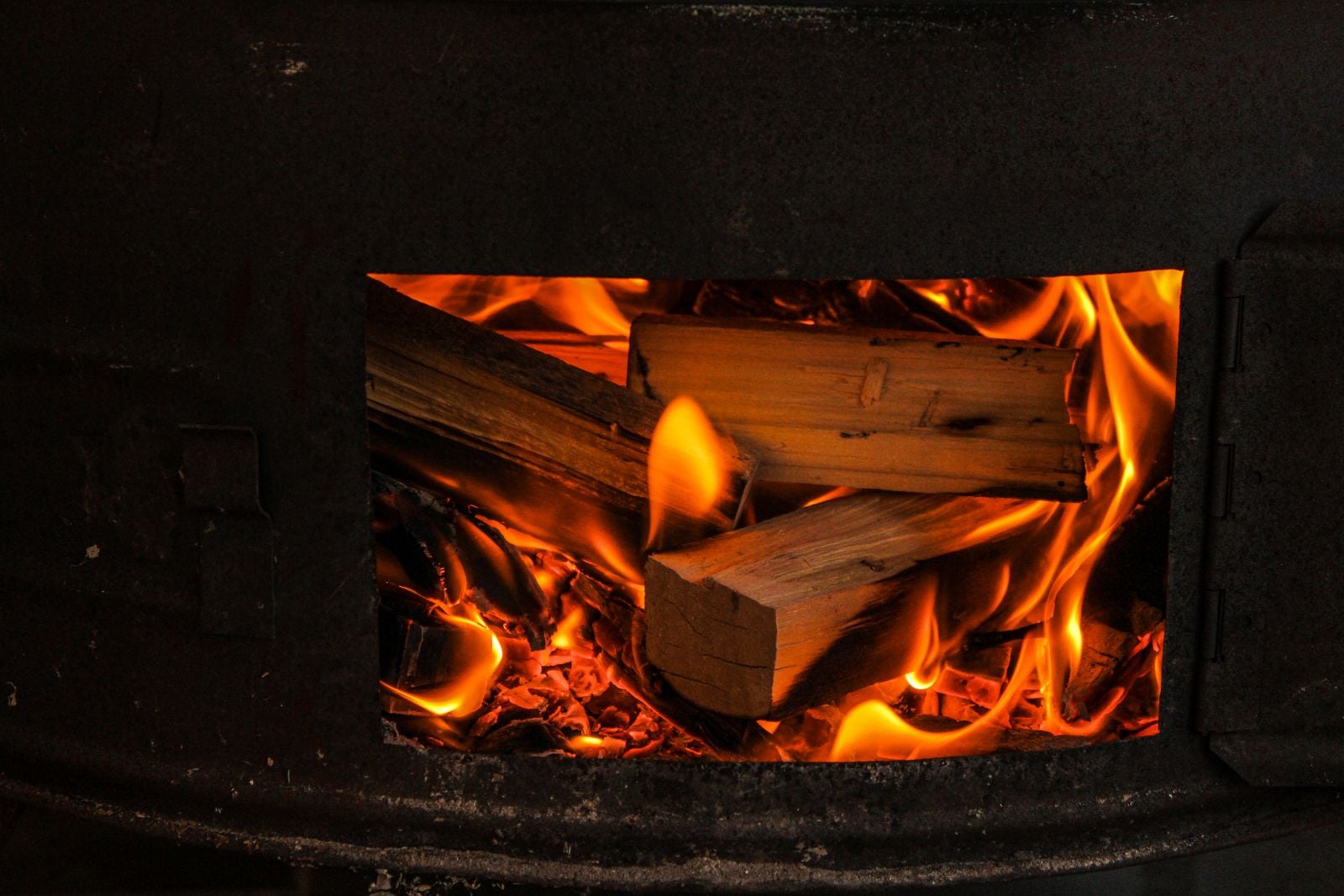
A wood stove insert is a sealed firebox with a glass door, installed inside your existing fireplace opening. It burns wood more completely and efficiently than an open fireplace, and it includes features that maximize heat output.
Air control systems regulate the amount of oxygen entering the firebox, allowing you to control the burn rate. This means you can keep a fire going longer on less wood.
Heat exchangers capture heat that would otherwise escape up the chimney. Many inserts include built-in blowers that circulate warm air into the room, spreading heat more evenly and quickly.
Insulated fireboxes retain heat and radiate it into your home instead of letting it escape. This means more of the energy from each log goes toward warming your living space.
Because wood stove inserts are sealed units with controlled airflow, they burn wood more completely than open fireplaces. This results in less smoke, less creosote buildup, and more heat per log.
How Much Can a Wood Stove Insert Save on Heating Costs?
The amount you save depends on several factors, including the size of your home, how often you use the insert, and the cost of your primary heating fuel.
In Indianapolis, homeowners who use wood stove inserts as a supplemental heat source often see noticeable reductions in their monthly utility bills. If you heat your main living areas with the insert and turn down your furnace, the savings add up quickly.
Wood stove inserts require properly seasoned firewood. Store it in a dry, accessible location, and follow the appliance manufacturer’s guidance on suitable fuel.
Heating cost comparison (approximate):
| Heating source | Home considerations |
|---|---|
| Wood stove insert | Requires seasoned firewood, storage space, and regular tending |
| Central heating system | Heats through the home’s existing distribution system |
| Any supplemental heater | Must be installed and operated according to its instructions |
The right heating approach depends on your home’s layout, the condition of its existing system, and how you plan to use the space.
Other Benefits of Wood Stove Inserts
Beyond saving money, wood stove inserts offer other advantages that make them appealing to Indianapolis homeowners.
Energy independence is a major benefit. If a winter storm knocks out power or disrupts gas service, a wood stove insert can keep your home warm.
Zone heating allows you to heat the rooms you’re actually using instead of warming the entire house. If your family spends most of their time in the living room, running the wood stove insert there and lowering the thermostat elsewhere can save even more money.
Environmental benefits also matter to many homeowners. Modern EPA-certified wood stove inserts burn cleaner and more efficiently than older models.
What to Consider Before Installing a Wood Stove Insert
While wood stove inserts offer significant benefits, they’re not the right choice for every home or every homeowner.
Fireplace compatibility is the first thing to check. Not all fireplaces can accommodate a wood stove insert. Your chimney needs to be in good condition, with a structurally sound firebox and a properly sized flue.
Chimney liner requirements are also important. Most wood stove insert installations require a stainless steel liner to ensure safe venting. If your chimney doesn’t already have a liner, this will add to the installation cost.
Fuel availability and storage should be planned in advance. Wood stove inserts require a steady supply of seasoned firewood, which needs to be stored in a dry, accessible location.
Time and effort are also factors. Unlike a gas furnace that runs automatically, a wood stove requires regular attention. You’ll need to load wood, adjust airflow, clean out ashes, and monitor the fire.
Installation and Safety Considerations
Installing a wood stove insert is not a DIY project. Proper installation requires professional expertise to ensure the unit is safely vented, correctly sized, and code-compliant.
A certified installer will measure your fireplace opening, assess your chimney condition, and determine whether a liner is needed. They’ll also ensure the insert is securely positioned and sealed to prevent heat loss or smoke leakage.
Annual chimney inspections are essential after a wood stove insert is installed. Even efficient, clean-burning inserts produce some creosote, which can accumulate in the chimney over time.
Clearance requirements must be followed to prevent fire hazards. Wood stove inserts generate intense heat, and combustible materials need to be kept at a safe distance.
Choosing the Right Wood Stove Insert for Your Home
Wood stove inserts come in a range of sizes, styles, and efficiency ratings. Choosing the right model depends on the size of the space you want to heat, your budget, and your heating goals.
Heating capacity is measured in BTUs (British Thermal Units). A small insert may produce 30,000 to 40,000 BTUs per hour, enough to heat a single room. Larger models can produce 70,000 BTUs or more, capable of heating an entire level of a home.
EPA certification is a must for efficiency and emissions. Modern EPA-certified inserts burn cleaner and more completely than older models. Look for inserts with high efficiency ratings (75% or greater).
Blower options can improve heat distribution. Some inserts include built-in fans that circulate warm air more effectively.
Is a Wood Stove Insert Right for You?
A wood stove insert can be an excellent investment for Indianapolis homeowners who want to reduce heating costs and make better use of an existing fireplace.
If you have access to affordable firewood and enjoy tending a fire, a wood stove insert can pay for itself within a few seasons. The best way to determine if it makes sense for your home is to consult with a professional.
Chimney Solutions Indiana installs and services wood stove inserts throughout Indianapolis, Fishers, Carmel, Noblesville, and surrounding areas. We can help you choose the right insert for your home, ensure it’s installed safely, and provide ongoing maintenance to keep it running efficiently.
Call Chimney Solutions Indiana at (317) 893-2726 or visit chimneysolutionsindiana.com to learn more about wood stove inserts.