
Effects of A Damaged Chimney Liner
All homes that have been built since 1940 are now required by law to have a chimney liner within its flue. This serves a handful of purposes, not the least of which is protection. The effects of a damaged chimney liner can lead to some serious health consequences for your family. In addition, it can lead to property damage up to and including a catastrophic home fire. Chimney relining services are an ideal solution in most cases.
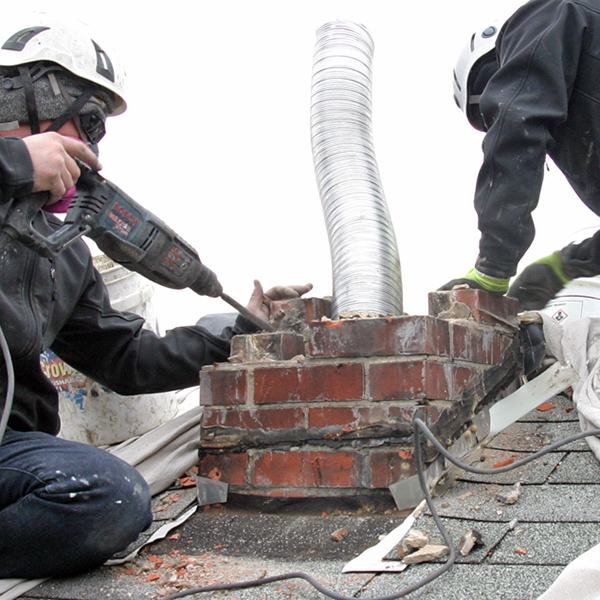 What role does a chimney liner play?
As we mentioned, the primary role of a chimney liner is protection. This includes protecting the interior of your home from residual heat, your family from toxic gases, and the structural integrity of your chimney’s masonry.
Research during the 40s led to the realization that, without a liner, the system was essentially guaranteed to fail.
What are the main effects of a damaged chimney liner?
It was simply a matter of how it failed. The effects of a damaged liner can first be felt inside of your home. The heat that emanates from your flue can cause woodwork inside of your home to catch fire — even if they’re nowhere physically near the firebox.
Acidic gasses also escape up the flue when the fireplace is in use. These, in turn, can lead to premature deterioration of your masonry. When they penetrate the brick and mortar, it slowly crumbles. This can allow water to further accelerate the damage through the freeze/thaw cycle during the colder months. In addition, your fireplace can even start to lean, necessitating a full reconstruction of the structure.
Another one of the effects of a damaged chimney liner is the backing up of toxic gasses within your home. These silent killer gasses are odorless and tasteless. Without a carbon monoxide detector, you wouldn’t know anything was wrong until it’s too late.
What are the main types of liners?
Masons initially used clay liners to protect homes. These were, at the time, assumed to be a sufficient solution.
Since then, construction crews have switched to more durable types of liners. Clay liners deteriorate over time. Repairing a clay liner can often involve a complete rebuild of the chimney flue.
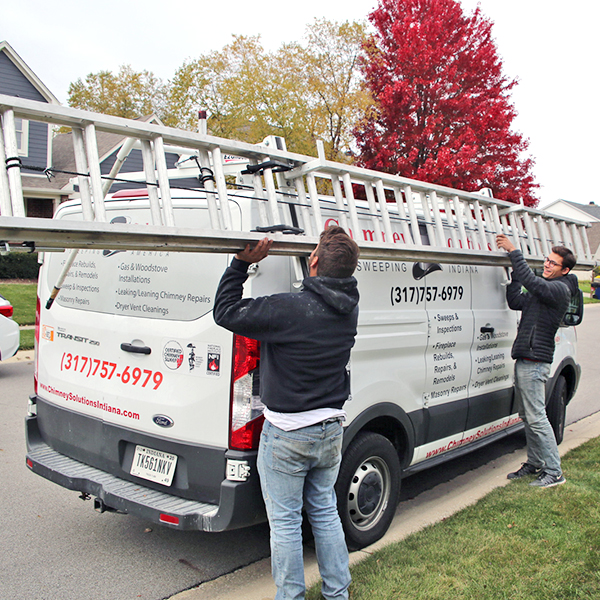
Your Chimney Solutions technician can discuss more modern solutions with you. Those come in the form of cast-in-place and stainless steel liners. Cast-in-place liners improve upon clay liners with more durable concrete-like materials that have the side effect of helping to support the chimney structure. They’re more costly, which is why some homeowners opt for stainless steel liners. In addition to protecting your home, most stainless steel liners include a lifetime warranty.
Contact Chimney Solutions, LLC for your chimney liner needs
Don’t let any potential problem with your chimney liner endanger your home or family. Our team will gladly set up a time for an inspection to review both the integrity of your liner and perform a proper chimney sweep. If you’d like to schedule a time for us to come out to your home, contact Chimney Solutions, LLC either via phone, (317) 757-6979, or through our online contact form.