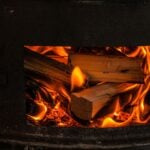
Electric Fireplace vs Gas Fireplace: Which Makes More Sense for Lafayette Winters
 Lafayette homeowners shopping for a fireplace upgrade quickly discover that the electric vs gas debate involves more variables than most product comparisons. Heat output, operating cost, installation requirements, ambiance, and maintenance all factor into a decision that will affect your home comfort for decades. Indiana winters are real winters. The right choice depends on whether you want supplemental ambiance or meaningful heat output, and understanding that distinction is where the comparison starts.
How the Two Technologies Work
Electric fireplaces use electrical heating elements (typically quartz infrared or ceramic) to produce heat and LED or bulb-based flame effects to create the appearance of a fire. They require only a standard electrical outlet (or in some high-output models, a 240-volt dedicated circuit) and produce no combustion products whatsoever.
Gas fireplaces use a natural gas or propane burner to produce real flames and significant heat output. A direct-vent gas fireplace draws combustion air from outside through one pipe and exhausts combustion gases out through another, making it extremely efficient and safe for interior installation without a traditional chimney.
Heat Output Comparison
Heat output is where electric and gas fireplaces separate most dramatically, and it matters enormously for a Lafayette winter.
| Type | BTU Output | Approximate Sq Ft Coverage |
|---|---|---|
| Standard electric fireplace | 4,000 to 5,000 BTU | 400 sq ft or less |
| High-output electric (240V) | 8,000 to 10,000 BTU | 800 to 1,000 sq ft |
| Standard gas fireplace insert | 20,000 to 35,000 BTU | 1,000 to 2,000 sq ft |
| High-output gas fireplace | 40,000 to 60,000 BTU | 2,000 to 3,500 sq ft |
For a Lafayette winter that regularly sees extended periods below 20 degrees Fahrenheit, the heat output difference is significant. An electric fireplace warms the immediate vicinity. A mid-range gas fireplace can heat an entire level of a home.
If your goal is ambiance with modest supplemental warmth in a small room, electric may be sufficient. If your goal is meaningful zone heating that reduces furnace load, gas is the right answer.
Operating Cost Comparison for Indiana Homes
Lafayette homeowners care about operating costs across a six-month heating season.
Electric fireplaces use electrical heating elements to warm a room, with the unit’s output and runtime affecting how much heat it provides. Follow the manufacturer’s guidance for operation, and consider whether the fireplace is intended for supplemental warmth or ambiance.
Gas fireplaces use fuel at a rate that varies with the appliance’s heat output and efficiency rating. Review the manufacturer’s specifications and have the unit sized and installed for the space it is meant to heat.
At first glance, electric appears cheaper to operate. But that comparison only holds at equivalent heat output levels. The gas fireplace in that example is heating a 1,500 square foot floor while the electric fireplace heats a single room. The per-BTU comparison is different.
For equivalent heat output, gas is almost always cheaper to operate in Indiana than electric heat.
Installation Requirements and Costs
This is where the two types diverge significantly in complexity.
Electric fireplace installation can range from plugging a freestanding unit into a standard outlet (essentially zero installation cost) to having an electrician add a 240-volt dedicated circuit for a high-output built-in unit. For most electric models, installation is simple and inexpensive.
Gas fireplace installation requires gas line access, a flue or direct-vent pipe system through the wall or to the roof, and professional installation by a qualified technician. The appliance, vent route, existing site conditions, and local requirements all affect the work involved.
Gas installation involves additional planning for the fuel supply and venting, while the appliance’s heating performance depends on its output, efficiency, and the space being served.
Maintenance Requirements
Electric fireplaces require virtually no maintenance. There are no combustion products, no creosote, and no flue to inspect. Annual cleaning of the heating element area and replacement of the flame effect bulbs when they reach end of life is the extent of the service requirement.
Gas fireplaces require professional inspection and service at the interval recommended by the manufacturer. A service visit can include checking the burner, pilot assembly, venting system, gas connections, and safety controls to help identify issues that may affect operation.
For homeowners who prefer low-maintenance operation, electric wins this category. For homeowners who want maximum heating performance and are comfortable with annual professional service, gas wins the overall value comparison.
Which Is Better for Lafayette Specifically
Lafayette winters run from late October through March and include extended cold snaps where temperatures drop well below freezing for days at a time. The heating value of the fireplace you choose matters more in this climate than in a milder one.
Electric fireplaces make sense for Lafayette homeowners who:
- Want ambiance in a bedroom or supplemental warmth in a small room
- Rent and cannot modify gas lines
- Have a home without existing gas service and do not want to pay to bring it in
- Want a low-upfront-cost option
Gas fireplaces make sense for Lafayette homeowners who:
- Want their fireplace to provide meaningful zone heating
- Are doing a renovation or new construction where gas work is easy to integrate
- Want real flames, not simulated ones
- Are heating a living room, family room, or open-concept space of 1,000 square feet or more
The Chimney Component
If you are upgrading from a wood-burning fireplace, a gas fireplace insert is often the most practical and cost-effective path because it uses your existing chimney opening. A dedicated liner runs through your existing chimney, and the insert fills the firebox opening.
This approach captures the investment you already have in your chimney structure while upgrading to a gas appliance that is cleaner, more convenient, and more controllable than wood burning.
For homes without an existing fireplace, a direct-vent gas fireplace can be installed almost anywhere with access to an exterior wall, without needing a traditional chimney at all.
Visit chimneysolutionsindiana.com to speak with a Chimney Solutions Indiana specialist about gas fireplace insert options and installation requirements for your Lafayette home.