“Freeze-Thaw” Warning: January’s Silent Killer
Indiana winters have a way of creeping in and wreaking havoc on chimneys. One day, temperatures may hover around freezing, but the next, they can plummet. While this cycle seems harmless, it can take a toll on masonry chimneys over time. This freeze-thaw cycle is one of the most common and damaging forces chimneys face during the winter months, especially in January.
Unlike intense storms or visible damage, freeze-thaw damage often happens out of sight. By the time signs appear, repairs may already be required.
What Is the Freeze-Thaw Cycle?
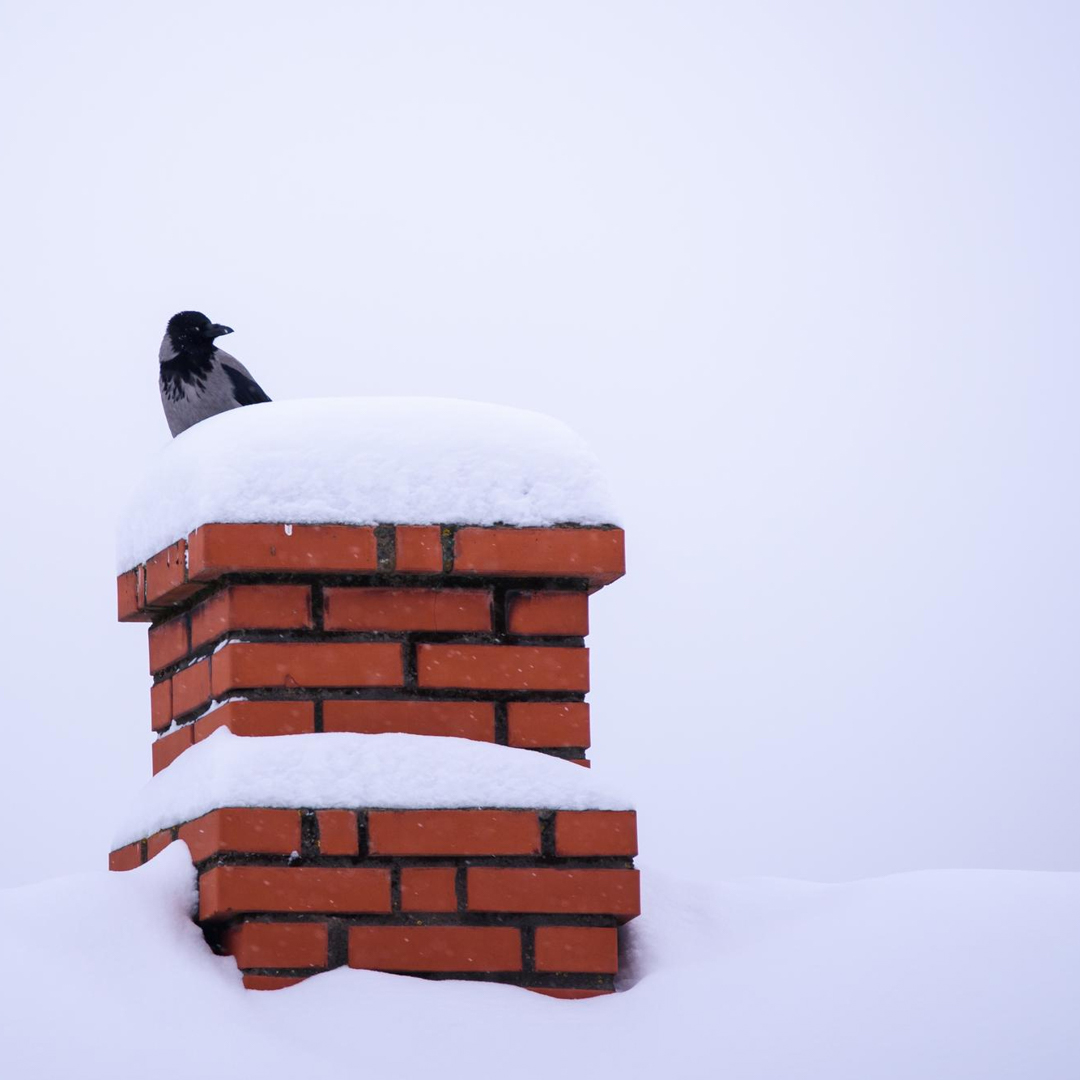
Brick, mortar, and stone are all porous materials. They don’t mesh well with this disruptive cycle, which occurs when moisture seeps into small cracks or porous materials in your chimney and then freezes. As water freezes, it expands. When temperatures rise, it thaws and contracts. This constant expansion and contraction puts stress on masonry over time, leading to cracks that expand.
Why January Is Especially Risky
January is often the most damaging month for chimneys because temperatures fluctuate frequently. Daytime thaws followed by overnight freezes create the ideal combination for damage.
Snow, ice, and rain add even more moisture to the mix. If a chimney crown is cracked or the mortar joints are aging, water can easily seep in. Each freeze makes those small openings larger, leading to even more serious structural issues as winter continues.
Damage to Look Out For
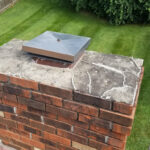
Damage from this destructive cycle has warning signs homeowners should watch for. Cracked or flaking brick, also known as spalling, is one of the most common indicators of deterioration. Mortar joints may begin to crumble or wash out. White staining on the exterior of the chimney can signal moisture problems inside the masonry.
Look out for damp spots near the chimney, any musty odors, or visible water stains; these are signs that should never be ignored.
What This Damage Does
Loose bricks or deteriorating mortar can contribute to structural failure if neglected. Gaps in the chimney allow moisture to enter, increasing the risk of flue or liner damage. In severe cases, freeze-thaw deterioration can even affect proper ventilation. This may increase the risk of smoke or carbon monoxide entering the home. So what began as a minor water intrusion can quickly turn into a serious safety concern.
Protecting Your Chimney During Winter
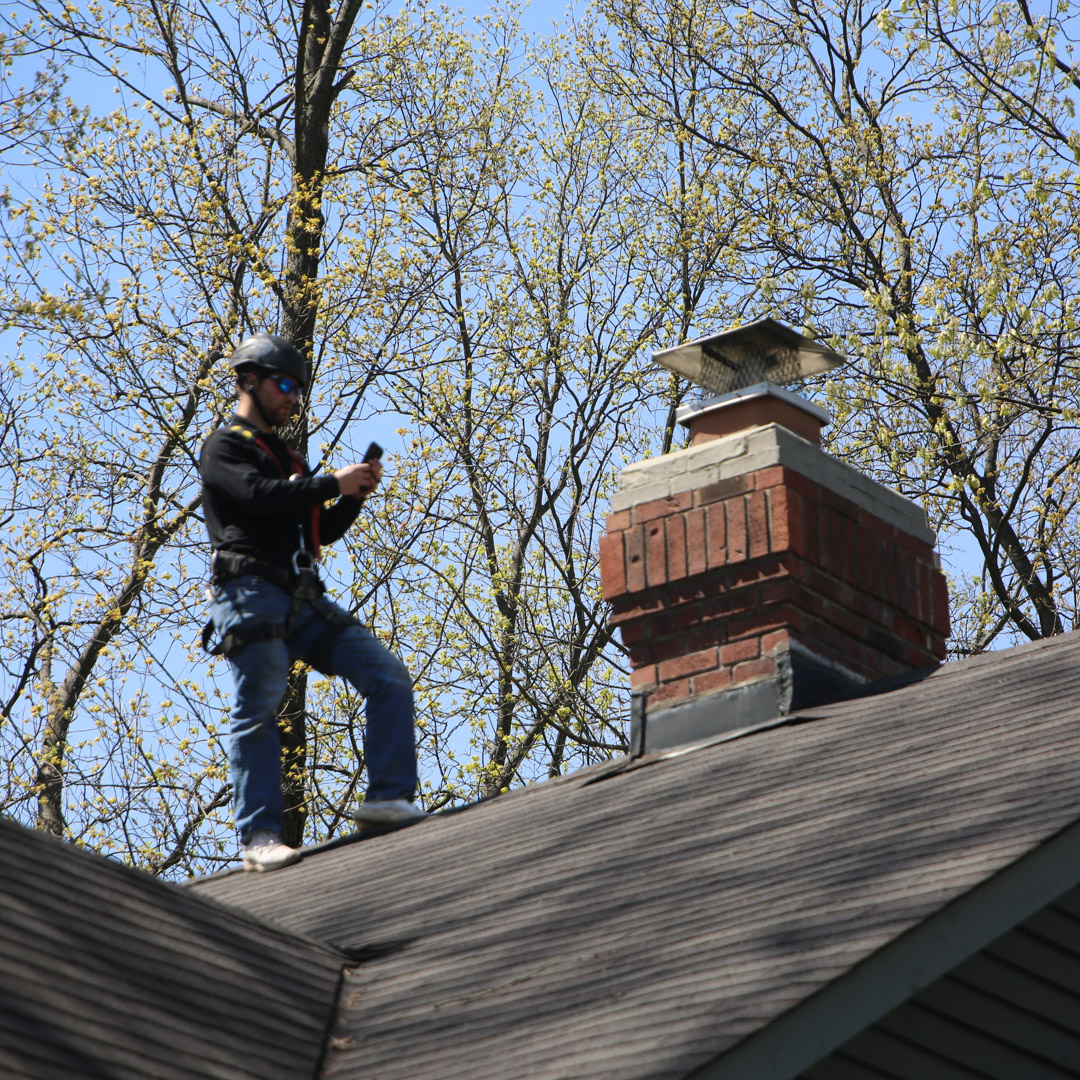
The best way to protect against freeze-thaw damage is to keep up with annual inspections and maintenance. Chimney professionals will seal small cracks, repair mortar joints, and fix chimney crown damage if they see it. This can directly help prevent moisture from entering in the first place.
Call Chimney Solutions Indiana Today
If you notice signs of masonry damage or water intrusion, it is essential to act quickly. Winter conditions can accelerate deterioration quickly. Chimney Solutions Indiana provides professional chimney inspections and masonry repair services to tackle freeze-thaw damage before it worsens. A timely evaluation can help protect your chimney, your home, and your peace of mind through the harsh winter months.