Gas Fireplace Maintenance Checklist for Indianapolis Homeowners This Summer
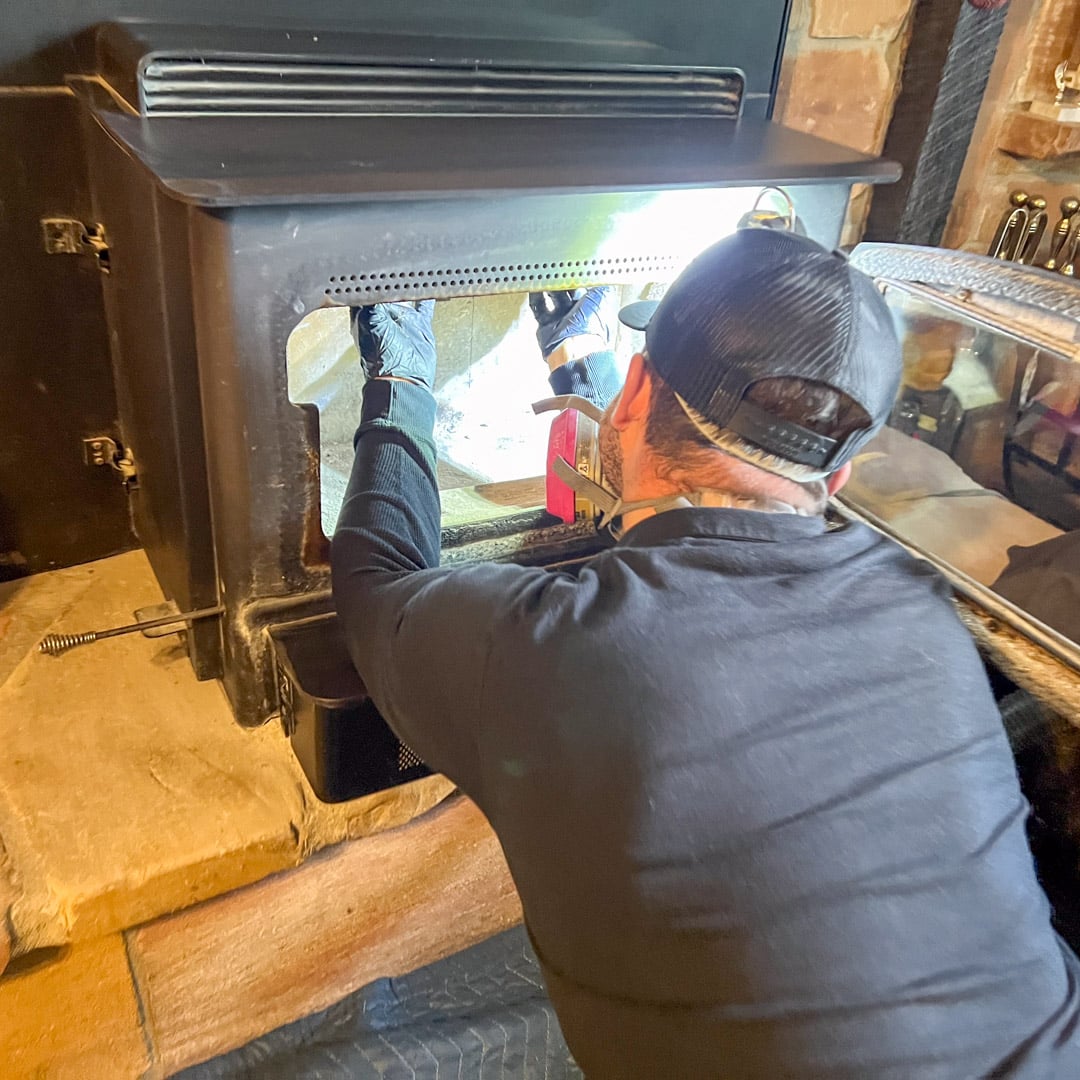 A gas fireplace feels like a set-it-and-forget-it appliance. You press a button, fire appears, you relax. There are no logs to split, no ash to haul, no creosote building up in the flue. It is easy to assume it takes care of itself.
But a gas fireplace that has not been maintained is not a safe fireplace. Carbon monoxide exposure, gas leaks, and pilot light failure are all real risks in neglected units. And summer, when you are not using it every evening, is exactly the right time to run through a proper maintenance cycle.
Here is the complete summer maintenance checklist that Chimney Solutions Indiana recommends for Indianapolis homeowners.
Why Does a Gas Fireplace Need Summer Maintenance?
Summer maintenance serves two purposes. First, it addresses any wear, dirt, or minor damage that accumulated during the heating season. Second, it positions the fireplace for safe, reliable operation when fall arrives.
Gas fireplaces that go from spring to fall without service are more likely to experience ignition problems, pilot light failures, and component issues when you need them most. Annual maintenance prevents those surprises.
Step 1: Visual Inspection of the Firebox
Turn off the gas supply valve before you do anything else. With the fireplace off and cool, open the glass doors and inspect the interior.
– Look for soot deposits or discoloration on the glass panels
– Check the ceramic logs or glass media for chips, cracks, or displacement
– Inspect the burner ports for blockages from dust or debris
– Look for rust on any metal components inside the firebox
– Check the gasket around the glass door for cracks or compression damage
Step 2: Clean the Glass Panels
Gas fireplaces produce a white mineral haze on the glass from normal combustion. Standard window cleaner will not remove it. Use a cleaner specifically formulated for gas fireplace glass.
Apply the cleaner to a cloth rather than spraying directly onto the glass. Wipe in small circles, then buff clear with a dry cloth. Never use abrasive materials on gas fireplace glass. Scratching the surface permanently reduces clarity and insulating performance.
Step 3: Clean the Burner and Interior
Use a soft brush or compressed air to clear dust from the burner ports. Vacuum the interior of the firebox to remove dust, pet hair, and debris. Clean the ceramic logs or glass media with a dry cloth only, never with water or cleaning products. Wipe down metal interior components with a dry cloth.
Do not use water, cleaning sprays, or any liquid cleaner inside the firebox. Moisture in a gas fireplace creates rust and can damage ceramic components permanently.
Step 4: Check the Pilot Light and Ignition System
Restore the gas supply and attempt to light the pilot according to the manufacturer’s instructions. Note whether it lights immediately or requires multiple attempts.
A pilot that lights promptly and stays lit is functioning correctly. A weak or intermittent flame signals possible thermocouple wear that warrants further investigation. Visible corrosion or buildup on the thermocouple can cause the pilot to drop out unexpectedly during use. An igniter that does not produce a visible spark likely has a worn tip that requires replacement. Uneven or noticeably low flames at the burner may indicate blocked ports from dust or mineral buildup.
Step 5: Inspect the Venting System
For direct-vent and B-vent fireplaces, inspect the exterior termination cap to confirm it is intact, free of debris, and not blocked by vegetation, a bird nest, or animal activity. The cap protects against backdrafting and must be clear at all times for safe operation.
For ventless fireplaces, confirm the oxygen depletion sensor is present and has not been tampered with. Ventless fireplaces should only be operated in rooms with adequate square footage as specified in the unit documentation.
Step 6: Test Your Carbon Monoxide Detectors
This step is not part of the fireplace itself, but it belongs in every gas appliance maintenance checklist. If your nearest carbon monoxide detector has not been tested in six months, test it now and replace batteries if needed. Homes with gas fireplaces, furnaces, or water heaters need functioning CO detectors on every level of the home.
Comparing Annual Maintenance Tasks
The items a homeowner can handle include glass cleaning, interior vacuuming, visual inspection of logs and burner, pilot light testing, and exterior vent cap check. The items requiring a professional technician include gas line pressure testing, pilot assembly cleaning and adjustment, thermocouple and thermopile testing and replacement, safety valve inspection and testing, and full venting system inspection. Annual professional service covers both categories and ensures the system is operating within safe parameters.
Should You Have Your Gas Fireplace Serviced Every Year?
Yes. The National Fire Protection Association recommends annual inspection and cleaning for all combustion appliances, and gas fireplaces are included in that guidance. A homeowner maintenance check covers the visible and accessible components. A professional gas fireplace tune-up covers the pilot assembly, burner orifice, thermocouple, thermopile, safety valves, and the complete venting system.
Annual professional service is the most reliable way to catch developing issues before they become failures or safety hazards during the heating season.
Schedule Your Gas Fireplace Tune-Up With Chimney Solutions Indiana
Chimney Solutions Indiana serves Indianapolis, Carmel, Fishers, Noblesville, Westfield, Zionsville, and surrounding communities. Our certified technicians inspect, clean, and service gas fireplaces of all major brands and configurations. Call (317) 757-6979 or visit chimneysolutionsindiana.com to schedule your summer gas fireplace tune-up. Summer appointments move quickly, and fall will be here before you know it.