How to Prepare Your Outdoor Fireplace for Summer Entertaining in Indianapolis
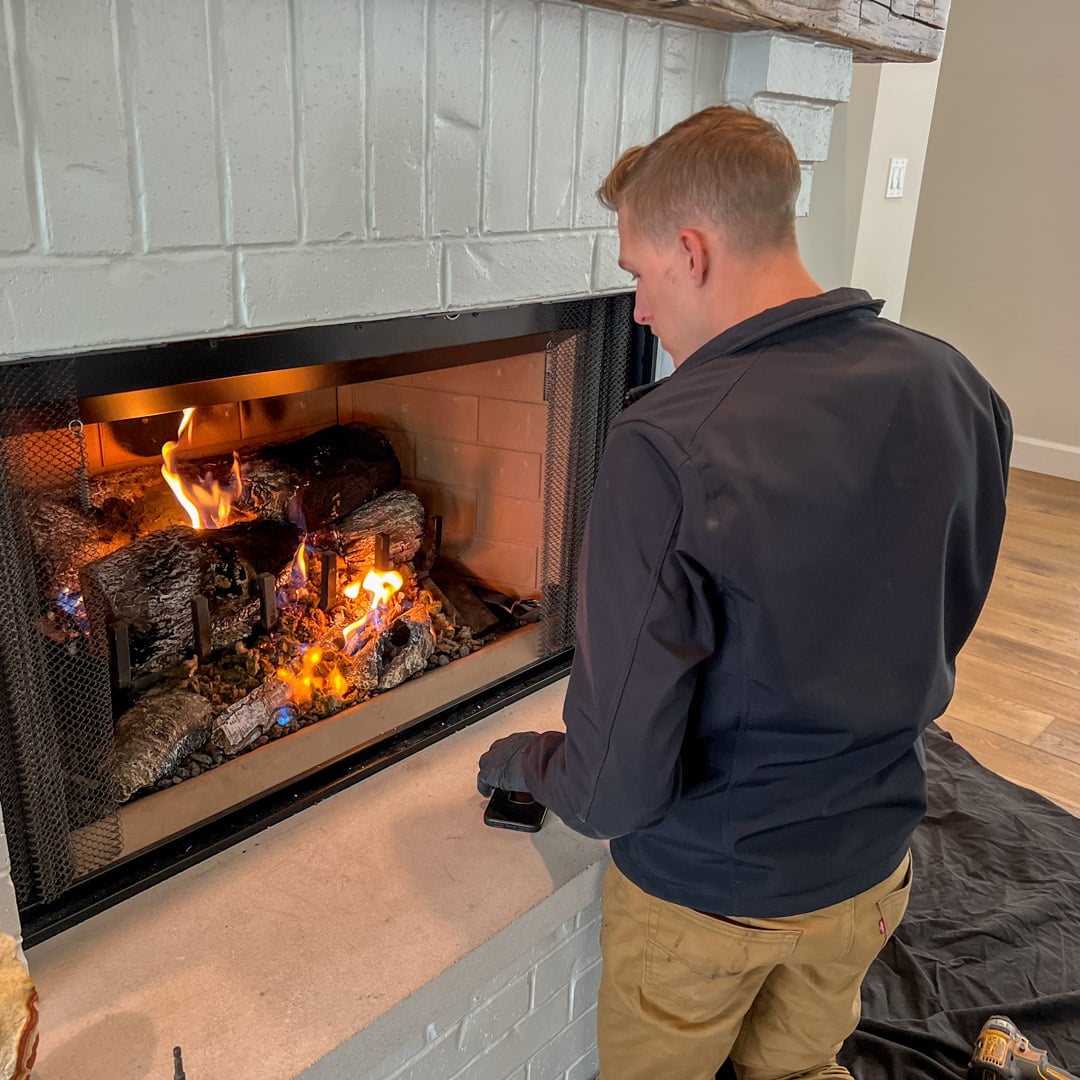 Summer evenings in Indianapolis are made for outdoor entertaining. A fire going in the backyard pulls people off their phones and into real conversation. It turns a patio into something worth gathering around.
But an outdoor fireplace that has sat through a wet Indiana winter and spring needs attention before you start the first fire of summer. Skipping prep work means cracked masonry, venting problems, or worse, a fire that spreads somewhere it was never supposed to go.
Here is how to get your outdoor fireplace ready for the season.
Why Does an Outdoor Fireplace Need Seasonal Prep?
Outdoor fireplaces are exposed to everything. Rain, snow, freeze-thaw cycles, and direct sun all work on the masonry over time. Indianapolis winters are particularly hard because temperatures swing repeatedly above and below freezing, which expands and contracts absorbed moisture inside mortar joints and brick faces.
By late spring, many outdoor fireplaces have developed small cracks, spalled surfaces, or deteriorating joints that are not visible from ten feet away but become real problems when heat is applied.
What Should You Check Before the First Summer Fire?
Walk around the fireplace and examine each component carefully. You are looking for several things.
– Cracks in the firebox or exterior masonry, especially at mortar joints
– Spalling brick faces where the surface has flaked or broken off
– Missing or damaged chimney cap if the outdoor fireplace has one
– Debris inside the firebox including leaves, nesting material, or standing water stains
– Ash buildup from last season that was never removed
– Damaged or missing spark arrestor screen
– Deteriorated or missing grout at the firebox floor
Understanding What Each Problem Means
The firebox interior is the most critical area. Cracks in the walls or floor create a path for fire to escape into surrounding structure and should never be ignored. The chimney crown can develop cracks or chips at the top of the structure. Left unaddressed, these cracks channel water directly into the chimney core. Crumbling or missing mortar joints between bricks lead to structural instability over time and allow water infiltration. A damaged spark arrestor screen with holes or missing sections allows lit embers to escape and land on nearby combustible materials. Obstructions in the flue opening from animal nesting or debris accumulation can cause dangerous smoke backdraft.
What Should You Do With the Findings?
Minor cracks under a quarter inch wide can often be addressed with a masonry patching compound designed for high-heat applications. Wider cracks, crumbling mortar joints, or structural separation require professional repair.
Do not attempt to use a fireplace with visible structural cracks until the damage has been assessed by a professional. What looks like a cosmetic crack can be a gap in fire containment.
How Do You Clean an Outdoor Fireplace After Winter?
Cleaning the outdoor fireplace properly takes an hour or two and is worth doing before your first gathering.
Start by removing ash and debris using a metal ash scoop and bucket. Ash retains moisture and accelerates corrosion in the firebox. Next, clear the flue opening by using a flashlight to check for bird nests, wasp nests, leaves, or any obstruction, and remove anything you find. Then brush the interior surfaces with a wire brush to remove loose soot and deposits from the firebox walls. Work from top to bottom so debris falls to the floor before you finish the ash removal. Check the firebox grate for cracks, warping, or rust through. A damaged grate affects airflow and can allow burning logs to roll or shift unexpectedly. Finally, if the exterior masonry shows moisture staining or surface porosity, apply a water-repellent masonry sealer during dry weather to help protect against next season’s rain.
What Fuels Work Best in Outdoor Fireplaces?
Outdoor fireplaces in Indianapolis are typically designed for wood burning. Using the right fuel makes a real difference in how cleanly the fire burns and how much residue accumulates.
– Use seasoned hardwood that has dried for at least six months
– Avoid green or freshly cut wood, which produces excessive smoke and creosote
– Never burn treated lumber, plywood, or painted wood
– Keep wood stored off the ground under a cover to prevent moisture absorption
Seasoned hardwoods like oak, hickory, and maple burn hotter and cleaner than softwoods and produce significantly less creosote buildup in the flue.
Should You Have a Professional Inspect Your Outdoor Fireplace?
Yes, especially if it has not been used in over a year or if you noticed any structural issues during your walk-around. A certified chimney technician can assess the firebox, flue, and crown for damage that is not visible from the outside and confirm the structure is safe to use before you gather your guests around it.
Outdoor fireplaces are often built by general contractors and vary widely in quality. A professional assessment gives you confidence that the fireplace you are gathering around all summer is actually safe.
Get Your Outdoor Fireplace Ready With Chimney Solutions Indiana
Chimney Solutions Indiana serves Indianapolis and surrounding communities including Carmel, Fishers, Noblesville, Westfield, Zionsville, and Brownsburg. Our technicians inspect and service outdoor fireplaces, wood-burning fireplaces, and chimney systems of every type. Call us at (317) 757-6979 or visit chimneysolutionsindiana.com to schedule your outdoor fireplace inspection before summer entertaining season gets underway. The sooner you call, the sooner it is ready.