How to Tell if Your Fireplace Is Safe
A well-built fireplace should give you many years of excellent service and comfort. Along the way, however, issues come up that need to be addressed sooner rather than later. Keeping your fireplace (and chimney) safe is an important job. Here are some tips to follow.
 If you have a gas fireplace
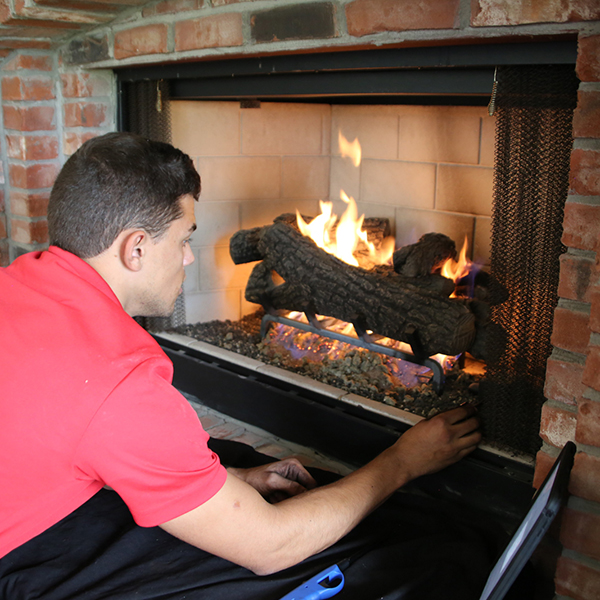
Gas fireplace users should occasionally take a look at the log set, burner assembly, pilot light, gas lines and other components to see if anything seems amiss. You may not know how to fix the issue, but a gas fireplace technician will. Your job is just to keep an eye on your system.
Also, be aware of the smell of gas in your home. If this happens when the fireplace is running, shut it off and see if the smell goes away. If it doesn’t, or if you notice the smell when the fireplace isn’t running, leave the house and call 911.
How is the fuel burning?
The quality of flames your fireplace produces can indicate a problem that needs exploration. Wood flames should burn vibrantly, and logs should combust completely. Gas flames should be bluish in color and ignite almost instantly.
Weak flames in a wood fireplace may point to a drafting issue, which could mean debris or excess creosote in your flue. Sluggish flames also could result from burning damp wood. A gas fireplace that doesn’t burn brilliantly could be sending dangerous carbon monoxide into your family’s living spaces.
Look closely at your firebox
You’re looking for breeches in the firebox shell – breaks, cracks, etc. – crumbling bricks, decayed mortar joints and anything else that looks “wrong.”
Damage to a firebox can lead to a house fire and serious damage to building materials of your home adjacent to the appliance.
 Check out the chimney
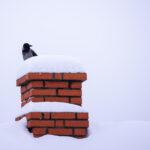
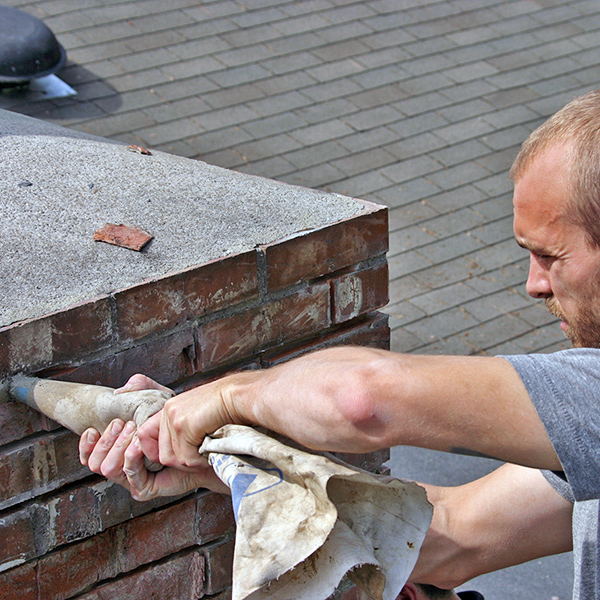
Chimneys are as much a part of what we call “fireplace safety” as the actual fireplaces. A homeowner’s visual inspection of a chimney isn’t a substitute for professional inspection, but there are various things you can spot that you can tell your chimney inspector or repair person about.
When checking out your chimney, look for:
- Cracked bricks
- Crumbling masonry
- A tilt in the chimney structure
- Damaged chimney cap
- Cracked chimney crown
- Black smoke stains near the top of the chimney
- Warped or otherwise damaged chimney flashing
- White stains on the bricks
Many of the issues you may find in your chimney aren’t first-causes: rather, they’re the result of a more serious problem that may not be apparent. For example, water leaks can cause masonry and crown damage. A string of chimney fires can leave black residue on the upper chimney sections. A poorly-built chimney footing can cause a chimney to lean.
Report your findings to your chimney repair company and let them get to work to diagnose and resolve the problem.
Fireplace safety starts with proper inspections
Fire-safety organizations throughout the U.S. recommend annual inspections for your fireplace and chimney (or gas appliance vent system). Only a licensed professional has the experience and tools to thoroughly inspect your fireplace, stove or fireplace insert and spot signs of damage or malfunction that could become dangerous if ignored.
Finally, wood fireplace users should also schedule annual chimney sweeping to remove flammable creosote and drafting obstructions from their chimney flues.
Chimney Solutions of Indianapolis is ready to help with all your fireplace and chimney needs. We provide licensed inspections, all repair work for gas and wood appliances, chimney repair and CSIA-certified chimney cleaning.
Speak with an expert today at (317) 757-6979.