
The Best Wood for Your Fishers Fireplace and How to Store It Safely
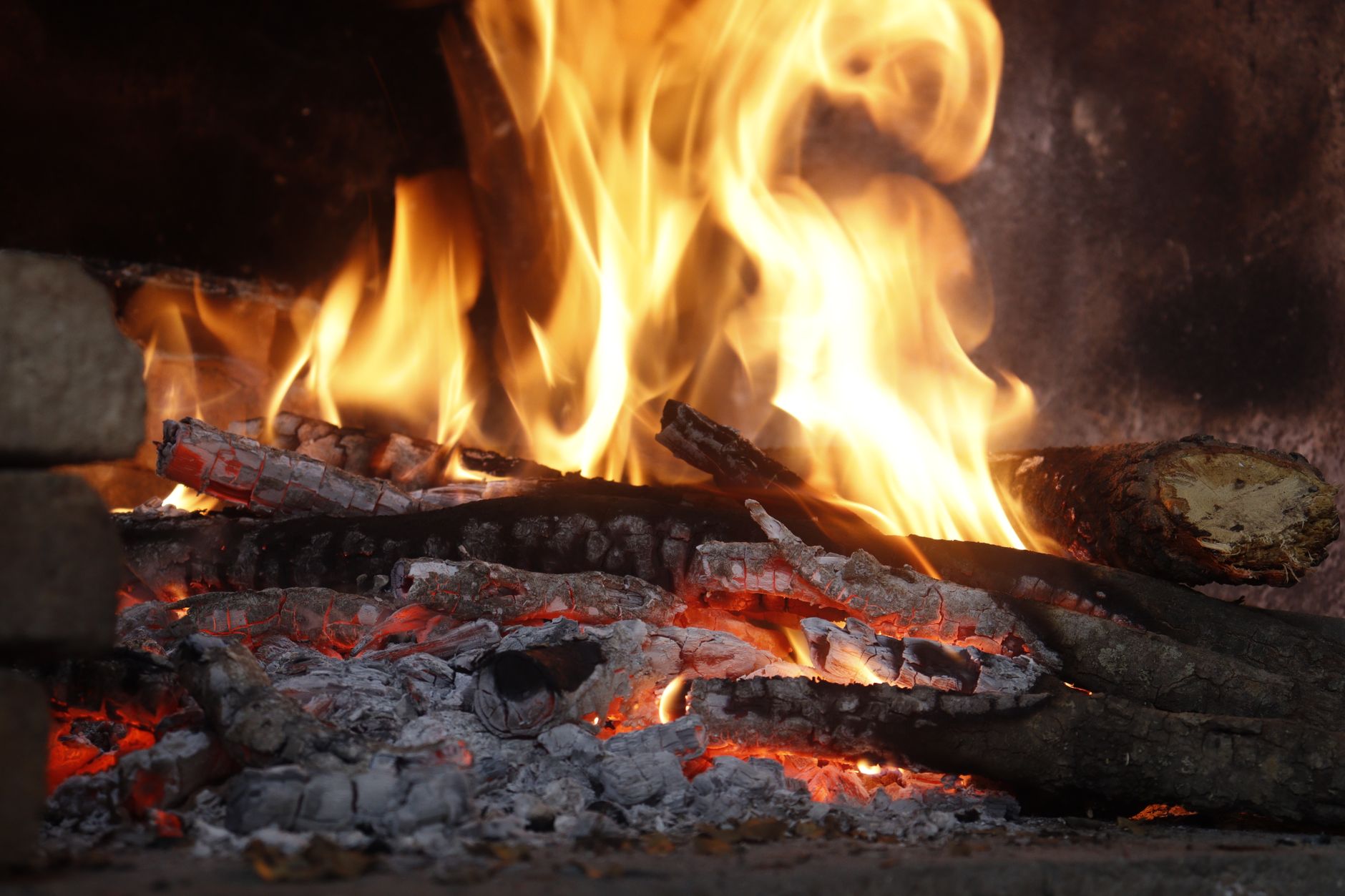 The wood you burn in your Fishers fireplace affects far more than how long the fire lasts. It determines how much heat you get, how much smoke fills the room when the fire catches, and most critically how much creosote builds up in your chimney over the course of a heating season.
Choosing the right wood and storing it properly is one of the simplest things you can do to protect your chimney and your home.
Why Wood Choice Matters for Chimney Health
Wood that burns incompletely because it is wet, green, or low-density produces more smoke. That smoke carries unburned particles and moisture up through the flue. As those particles cool against the flue walls, they condense and stick, forming creosote.
The drier and denser the wood, the hotter and cleaner the burn. A hotter burn produces less smoke and less creosote. Less creosote means a safer chimney and fewer professional cleanings needed.
Best Hardwoods for Fishers Fireplaces
These species are the gold standard for Indiana wood-burning fireplaces.
| Wood Species | Heat Output (BTU/cord) | Burn Quality | Notes |
|---|---|---|---|
| Oak | 24-29 million | Excellent | Burns long and hot; needs full seasoning |
| Hickory | 27-30 million | Excellent | One of the hottest-burning hardwoods available |
| Hard Maple | 24-29 million | Excellent | Dense, steady burn |
| Ash | 23-24 million | Very good | Burns well even with some moisture remaining |
| Cherry | 20-22 million | Good | Mild smoke, pleasant aroma |
Woods to Avoid
| Wood Type | Problem |
|---|---|
| Green or unseasoned wood | High moisture content heavy smoke, rapid creosote buildup |
| Pine and other softwoods | Sap content creates heavy creosote deposits |
| Driftwood or treated lumber | Chemical contamination produces toxic smoke |
| Painted or stained wood | Same toxic smoke risk as treated lumber |
| Cardboard or trash | Not appropriate for fireplace use; produces excessive smoke and creosote |
What Seasoned Wood Means
Seasoned wood has been cut and allowed to dry for a minimum of 12 months ideally 18 to 24 months for dense hardwoods like oak. During that time, the moisture content drops from 40-60 percent in fresh-cut wood to around 20 percent or less.
You can test moisture with an inexpensive wood moisture meter. Wood at or below 20 percent moisture is ready to burn. Wood above 25 percent will produce excessive smoke and should continue drying.
How to Store Firewood Safely Near Your Fishers Home
Proper storage protects your investment and keeps your wood ready to burn.
– Stack wood off the ground on pallets, a rack, or treated lumber to prevent ground moisture from wicking up
– Cover only the top of the stack covering the sides traps moisture and promotes mold
– Keep woodpiles at least 30 feet from your home’s foundation to discourage insects and rodents from migrating toward the house
– Do not store wood inside the garage or home insects in firewood can infest interior spaces
Keep Your Chimney Protected Too
Even with perfect wood and proper storage, annual chimney cleaning and inspection is still essential. Chimney Solutions Indiana serves Fishers and surrounding communities with certified cleaning and inspection year-round.
Visit chimneysolutionsindiana.com or call us to schedule your appointment before fall.