Using a Fireplace if You Have Seasonal Allergies
For many who suffer from seasonal allergies, having an active fireplace in the home only makes the condition worse. Fireplace smoke and contaminants from a dirty chimney can make life unbearable for people who are already having a tough enough time getting through the spring.
Fortunately, there may be ways to reduce or eliminate the effect your fireplace and chimney are having on your allergies. Chimney Solutions of Indianapolis, IN, would like to share a few tips to help reduce allergy symptoms. Check with your allergist or physician first to see if these tips could work for you.

Smoke
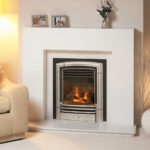
Many things in our world can intensify upper-respiratory allergies, and fireplace smoke is sometimes one of them. If you love having a fireplace but want to minimize or eliminate smoke, consider a manufactured gas fireplace.
These units are factory-made and installed in a convenient wall in your home. Gas fireplaces burn very cleanly and produce no smoke that can trigger allergies. With their ceramic logs and attractive firebox visuals, gas fireplaces look amazingly like traditional wood fireplaces.
Smoke byproducts
Ash, soot, and creosote can affect some people with allergies. Tiny ash particles from burnt wood can get airborne and be inhaled. Soot and creosote can accumulate in a chimney, producing strong odors in the home. If ash or odors trigger or exacerbate your seasonal allergies, a gas fireplace will eliminate the triggers.
Life with your wood fireplace
Changing to a gas fireplace can solve certain allergy problems, but you may love a real wood fire and would like to figure out a way to not have to live without the joys your fireplace brings.
The goal, then, is to use your wood fireplace and create as little smoke and as few odors as possible. Here’s how to do that.
Reduce smoke
Start by burning only dry firewood that’s had at least six months between harvesting and combustion. Damp, fresh wood creates a lot of smoke.
But all firewood will produce some smoke, so make sure it can draft easily up through the chimney:
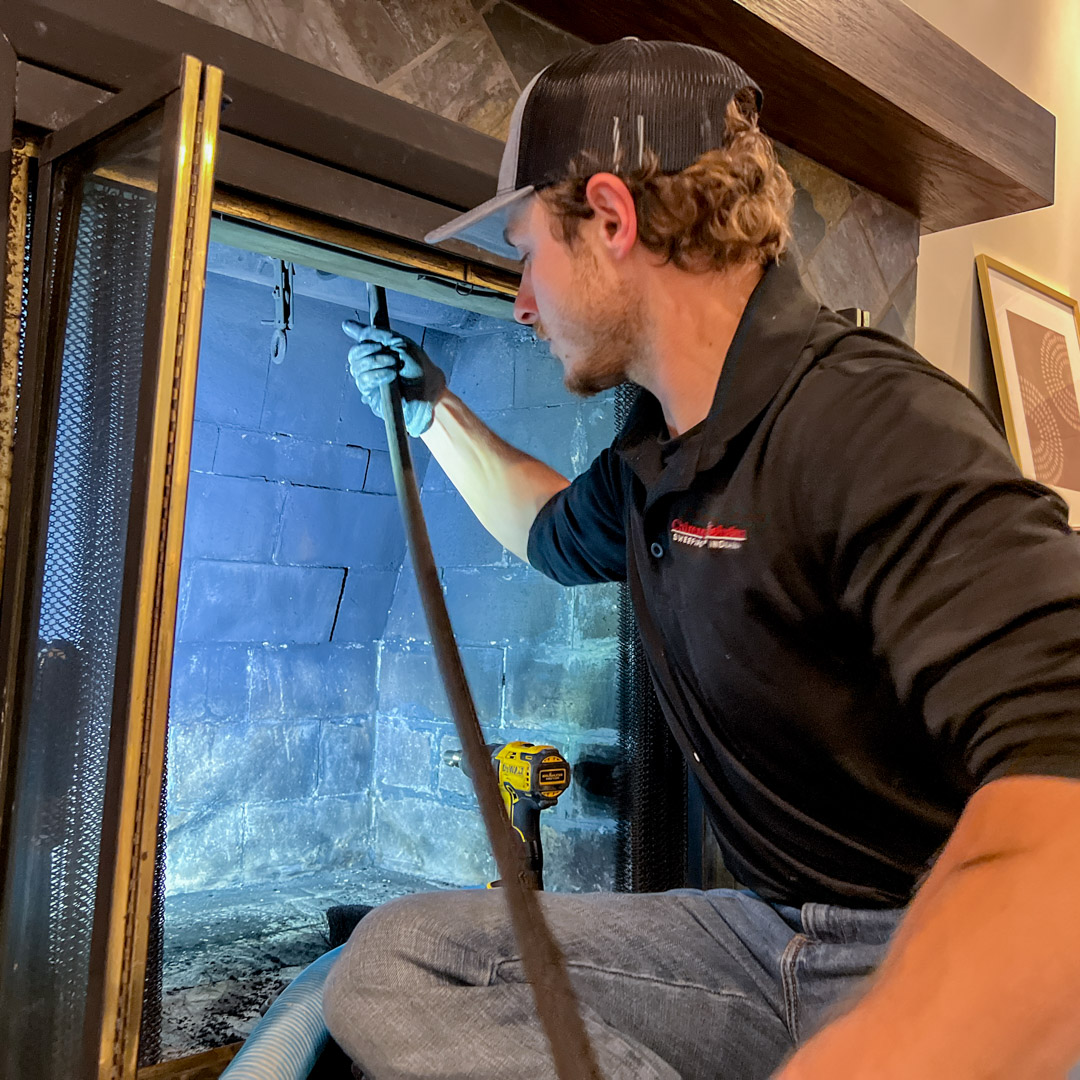
- Have draft-blocking creosote and debris cleaned out of your chimney at least once a year.
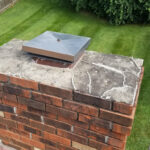
- Make sure the mesh of the chimney cap at the top of your chimney is clean and free of debris.
- Make sure your fireplace damper is fully open when starting a fire.
- Never burn high-smoke items like cardboard, packaging material, furniture pieces, and plastics.
Reduce odors
There are two primary causes of odors in a chimney that can trigger some allergies:
- Creosote and soot, which have a pungent, oily smell
- Rotting debris from trees and animal nests
Professional chimney sweeping will remove all this junk and greatly reduce the odor problem. You can keep debris from trees and the nests of small invading animals out of your chimney by installing a secure chimney cap that fits over the flue opening at the top of the chimney.
Choose the right option
Seasonal allergies are tough under the best of conditions, and there’s no need to let your fireplace and chimney make them any worse. Whether you choose to switch to a cleaner-burning gas fireplace or work to make your wood fireplace more allergy-friendly, you’ll be taking an important proactive step. If you live in the greater Indianapolis, IN, region, Chimney Solutions can help with whichever option you go with. Call us or reach out via our contact form.