Water Damage From a Leaking Chimney: A Guide for Bloomington Homeowners
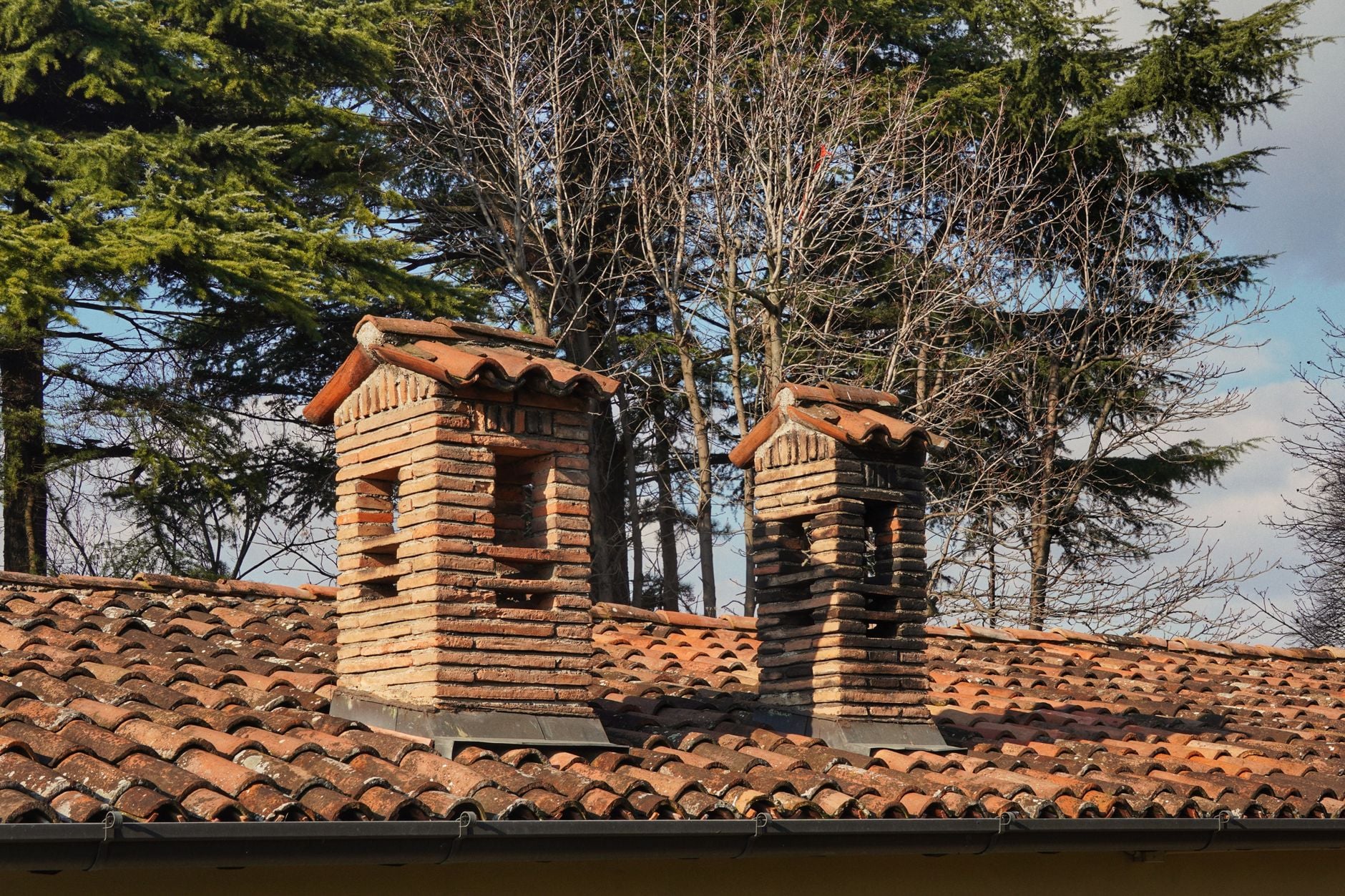 Water is the single most destructive force acting on chimneys in Bloomington. Not fire, not wind, not age. Water. It enters through cracks in the crown, corroded flashing, missing mortar joints, and deteriorated brick, and it moves through the chimney structure causing damage in places you will not see until the problem is already significant. Every Indiana rain event and every freeze-thaw cycle is an opportunity for water to expand its access.
The good news is that chimney leaks are predictable, diagnosable, and repairable. The key is finding and addressing them before they become expensive.
How Water Gets Into a Chimney
Understanding entry points helps you know what to look for and what to address. Water enters chimneys through multiple pathways, and in many cases through more than one simultaneously.
The chimney crown is the first line of defense. Cracks in the crown allow rainwater to pool in the crack and absorb directly into the chimney structure. Over time, crown cracks widen and pieces of the crown break away entirely, leaving the flue opening and upper chimney fully exposed.
Flashing failures are among the most common sources of chimney leaks in Bloomington homes. Flashing is the metal barrier where the chimney meets the roof. As homes settle, as metal expands and contracts with temperature changes, and as roofing materials age, gaps form between the flashing and the chimney face. Water runs directly down the chimney into the roof structure.
Mortar joint erosion allows water to penetrate the brick courses. Mortar is softer and more porous than brick, so it weathers faster. As joints erode, water travels through the gaps between bricks and into the interior of the chimney.
Spalling brick has lost its fired weather-resistant surface. The exposed interior of a spalled brick is highly porous and absorbs water readily.
A missing or damaged chimney cap leaves the flue opening exposed to direct rainfall. Water pours directly into the flue and down to the firebox.
Where Water Damage Shows Up Inside Your Bloomington Home
Chimney water damage does not stay in the chimney. It travels. These are the places Bloomington homeowners typically first notice a chimney leak.
- Water stains on the ceiling adjacent to the chimney, particularly after heavy rains
- Musty or damp odor from the fireplace, especially after rain
- Efflorescence, which is white chalky staining, on the chimney exterior
- Peeling or bubbling paint on walls adjacent to the chimney
- Visible rust on the damper, the firebox frame, or any metal fireplace components
- Damp or stained masonry inside the firebox
- Water sounds or actual dripping inside the fireplace during heavy rain
Any of these signs means water has already progressed past the outer chimney surface and into the structure. The source needs to be identified and repaired before the next rain event.
The Hidden Damage That Makes Leaks Expensive
The visible symptoms of a chimney leak, the stain on the ceiling or the rust on the damper, represent only what you can see. The hidden damage behind these visible signs is often more extensive.
| Hidden Damage Type | Where It Occurs | Why It Is Serious |
|---|---|---|
| Deteriorated flue liner | Inside the flue | Compromised containment of combustion gases |
| Saturated chimney structure | Interior masonry courses | Freeze-thaw damage accelerates rapidly |
| Rotted roof sheathing | At flashing entry point | Structural repair required |
| Mold growth | Interior wall cavities | Health concern, requires remediation |
| Damaged ceiling joists | Adjacent to chimney | Structural repair required |
| Deteriorated smoke chamber | Above the firebox | Rebuilding required for safe operation |
A chimney leak that has been active for two or more Indiana seasons typically involves several of these damage types simultaneously. Repair costs compound quickly when multiple systems are affected.
The Indiana Climate Makes Chimney Leaks Worse
Bloomington gets meaningful rainfall throughout the year, but the combination of spring and fall rain with Indiana freeze-thaw cycling is what makes chimney water damage so damaging. Every drop of water that enters a chimney crack in November has the potential to freeze repeatedly over the course of the winter, expanding and widening that crack with every cycle.
Spring inspections in Bloomington often reveal damage that was not present or not visible in the previous fall. An entire Indiana winter of freeze-thaw cycling has worked on any water that entered during fall rains.
This is why both pre-winter inspection and post-winter inspection serve a purpose. Pre-winter inspection catches and seals entry points before freeze-thaw cycles amplify them. Post-winter inspection assesses what the winter did to the structure.
Waterproofing Solutions That Work
The right waterproofing approach depends on the current condition of the chimney and which entry points have been identified.
Chimney crown sealer is applied to a sound or repaired crown to prevent future cracking and water entry at the top of the chimney. Flexible elastomeric sealers remain pliable through freeze-thaw cycles and bridge hairline cracks that rigid products cannot accommodate.
Masonry waterproofing treatment is applied to the full exterior surface of the chimney. Professional-grade products penetrate the masonry and block liquid water from absorbing in while still allowing vapor to exit. This distinction matters: a product that traps vapor inside will accelerate freeze-thaw damage rather than preventing it.
Flashing repair or replacement is necessary when the flashing itself is damaged or improperly installed. This may involve re-sealing existing flashing with appropriate chimney caulk or rebuilding the flashing system from the metal up.
Chimney cap installation is the simplest fix for an uncapped flue and one of the most cost-effective repairs available.
Repairing Before the Next Rain Is the Goal
Chimney leaks do not stabilize. Each rain event that enters the same entry point expands the damage. Each Indiana freeze-thaw cycle after water entry worsens what was already there.
The repair window is widest in late summer and fall when temperatures are warm enough for mortar work, sealers, and waterproofing to cure properly. Waiting for spring means an entire winter of additional damage.
A comprehensive chimney inspection from Chimney Solutions Indiana will identify all active entry points, document existing water damage, and recommend the most efficient repair sequence to stop the leak and protect the structure going forward.
Visit chimneysolutionsindiana.com to schedule a chimney water damage inspection for your Bloomington home before the next Indiana rain season takes another toll.