What Creosote Is and Why Annual Chimney Cleaning Is Non-Negotiable in Westfield
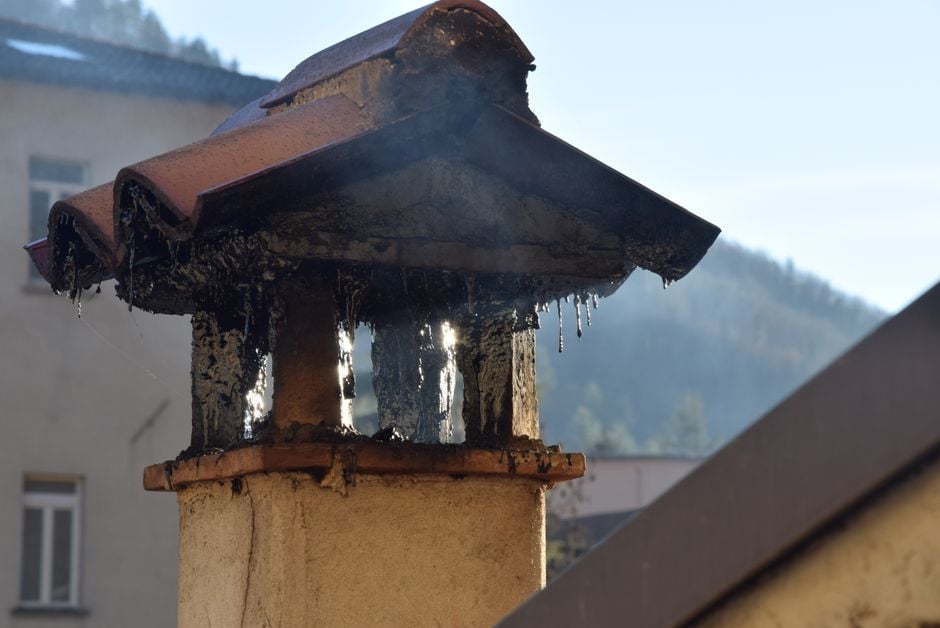 Every fire you light in your Westfield fireplace leaves something behind. You see the ash. You might notice the soot on the glass. What you do not see because it is coating the inside of your flue is creosote. And creosote is the single most common cause of chimney fires in Indiana.
What Creosote Is
Creosote is a collective term for the combustion byproducts that condense on the inside of a chimney flue as smoke cools while traveling upward. It forms from unburned wood particles, water vapor, and the organic compounds released during combustion.
Every wood-burning fireplace produces creosote. It cannot be avoided entirely. It can only be managed with regular cleaning.
The Three Stages of Creosote Buildup
Creosote does not stay in one form. As it accumulates and is exposed to repeated heating and cooling, it changes and each stage is more dangerous and harder to remove than the last.
| Stage | Appearance | Hazard Level | Removal Method |
|---|---|---|---|
| Stage 1 | Loose, flaky, gray or black soot | Low | Standard chimney brush |
| Stage 2 | Crunchy, tar-like, dark brown or black coating | Moderate | Rotary cleaning tools; may need chemical aid |
| Stage 3 | Hard, glazed, shiny black crust | High extremely flammable | Chemical treatment; may require professional specialist |
Stage 3 creosote is particularly dangerous. It is dense, highly flammable, and can sustain a chimney fire hot enough to crack flue liners and ignite the surrounding structure.
How Fast Does Creosote Build Up in a Westfield Home?
The rate of creosote accumulation depends on several factors.
- Frequency of use more fires means more buildup
- Wood type softwoods and unseasoned wood produce far more creosote than dry hardwood
- Burn temperature slow, smoldering fires produce more creosote than hot, active fires
- Flue temperature a cold flue condenses creosote faster than a properly warmed flue
A Westfield home that burns two or more cords of wood in a winter can accumulate significant Stage 2 deposits in a single season.
Why Annual Cleaning Is Non-Negotiable
The NFPA and CSIA both recommend annual inspection and cleaning of wood-burning chimneys. Not every two years. Not when it looks bad. Every year.
The reason is that creosote accumulation is not always visible from the firebox. Stage 2 and Stage 3 deposits often form in the upper flue, well above the smoke shelf. A professional inspection with proper lighting and equipment is the only way to assess what is actually there.
Skipping annual cleaning does not just leave deposits in the flue it allows Stage 1 deposits to progress toward Stage 2 and Stage 3, where removal is more difficult, more expensive, and potentially not achievable with standard tools.
Schedule Your Westfield Chimney Cleaning Before Fall
Chimney Solutions Indiana serves Westfield and surrounding communities with certified chimney cleaning and inspection. Our sweeps use professional-grade equipment to clear all stages of creosote and provide a written report of every finding.
Visit chimneysolutionsindiana.com or call us to schedule your annual cleaning before the fall rush fills the schedule.