What Happens During a Professional Chimney Inspection in Summer
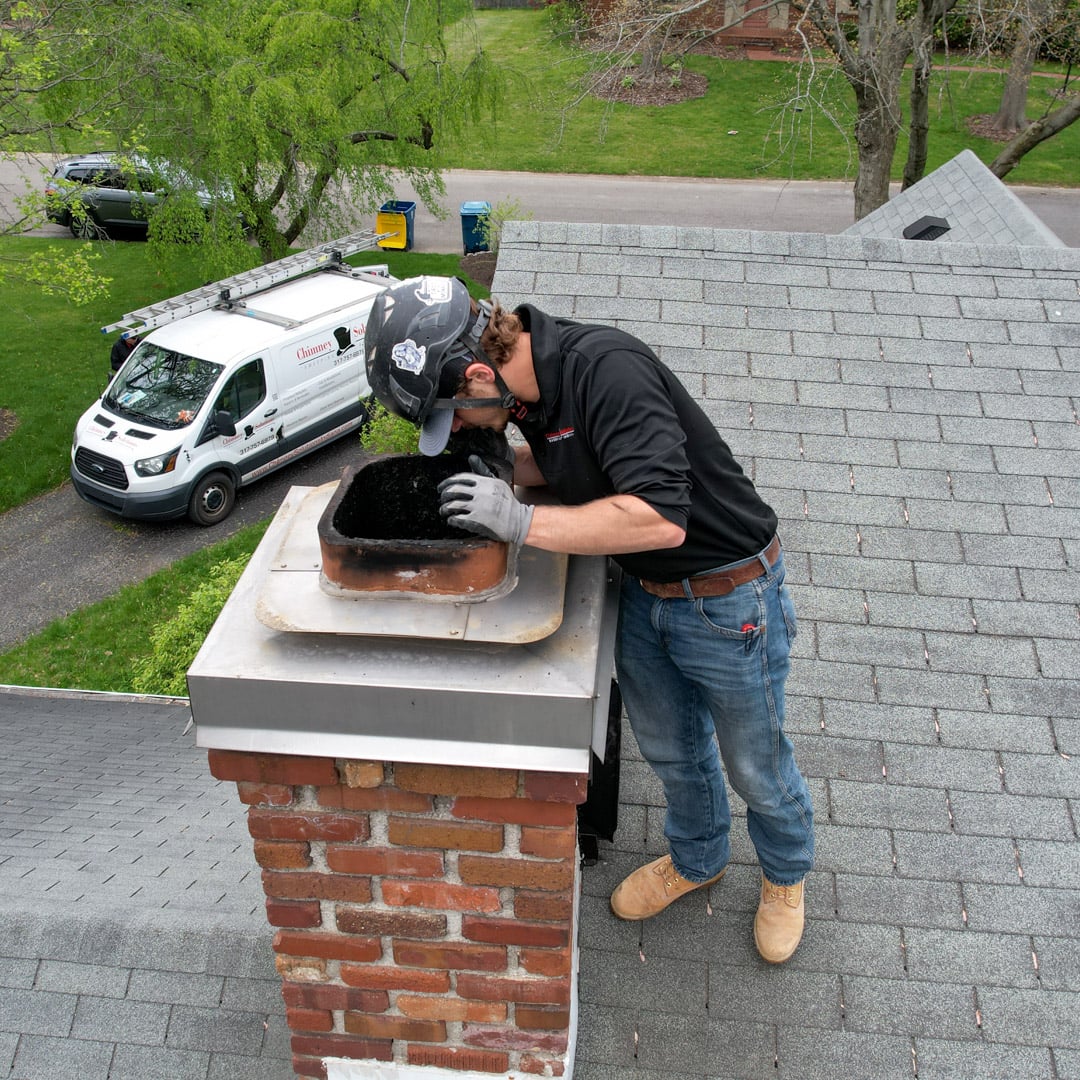 Most homeowners only think about their chimney in October. By then, every chimney company in Indianapolis is booked out for weeks. That decision costs real money.
Scheduling your chimney inspection in summer is one of the smartest moves you can make as a homeowner. The work gets done faster, any repairs get completed before cold weather hits, and you have peace of mind going into fall knowing your fireplace is safe and ready.
What Does a Professional Chimney Inspection Actually Cover?
A professional chimney inspection is not a quick glance from the ground. Certified chimney technicians follow NFPA 211 standards, which define three inspection levels based on the condition and use of the chimney.
The three levels differ significantly in scope. A Level 1 inspection covers the accessible portions of the chimney interior and exterior, plus readily accessible areas of the attic and crawl space. It is the standard annual inspection for a regularly used chimney. A Level 2 inspection adds all attic, crawl space, and basement access along with video scanning of the flue interior. This level is required for home sales, after a chimney fire, after severe weather, or when changing appliances. A Level 3 inspection goes further and involves removal of components to access hidden areas, typically reserved for when a serious hazard is suspected but cannot be confirmed at Level 2.
Most homeowners in Indianapolis, Carmel, Fishers, and Noblesville need a Level 1 inspection annually. A Level 2 is required when you sell your home or after any significant event like a storm or fire.
What Does the Inspector Check During a Level 1 Inspection?
Your technician will examine several areas of the chimney system during a standard inspection.
– Firebox condition including cracks, spalling, or deteriorating mortar joints
– Damper operation to confirm it opens and closes properly
– Smoke chamber for cracks or creosote buildup
– Flue liner for obstructions, cracks, or gaps
– Chimney crown for cracks and deterioration
– Chimney cap to confirm it is intact and keeping water and animals out
– Flashing at the roofline for separation or rust
– Exterior masonry for spalling, missing mortar, or staining
Why Does Summer Make Inspections Easier?
Summer inspections have real practical advantages beyond just scheduling availability.
First, creosote and soot are visible and stable when the fireplace has not been used for months. The interior is cool and dry, which makes it easier for your technician to photograph and assess damage accurately.
Second, any masonry repairs identified during an inspection can be completed with the consistent warm temperatures that summer provides for proper mortar curing. Mortar applied in cold fall weather can fail prematurely.
Third, if your chimney needs significant repair before it can be safely used, summer gives you time to complete the work without the pressure of cold weather around the corner.
Comparing the Three Inspection Levels
A Level 1 inspection is the annual standard for a chimney that has been in regular use with no significant changes. It covers what a technician can see and access without any special equipment. A Level 2 inspection is required when something has changed, such as a real estate transaction, a chimney fire, or a switch in fuel type. It adds video scanning of the flue interior and is the most comprehensive inspection most homeowners will ever need. A Level 3 inspection is the most invasive and is reserved for cases where structural damage is suspected but cannot be confirmed at Level 2.
What Happens If the Inspector Finds a Problem?
Finding a problem is not a crisis. It is exactly why you schedule the inspection. If your technician identifies an issue, you will receive a written report explaining the finding, the recommended repair, and the risk of leaving it unaddressed.
Common findings for Indianapolis-area chimneys include:
– Cracked or deteriorated flue liner
– Missing or damaged chimney cap
– Separated chimney flashing at the roofline
– Level 3 creosote buildup in the flue
– Damaged firebox panels
– Efflorescence or spalling on exterior masonry
Some findings require monitoring. Others require immediate repair before the chimney can be used safely. Your technician will be clear about which is which.
How Long Does a Summer Chimney Inspection Take?
A Level 1 inspection typically takes 45 to 90 minutes depending on the size and accessibility of the chimney. A Level 2 inspection with video scanning can take two to three hours. Chimney Solutions Indiana schedules inspections at times that work for your household and will walk you through every finding before leaving.
What Should You Do Before the Inspector Arrives?
Prepare for your inspection by taking a few simple steps.
– Clear the area around the fireplace so the technician has unobstructed access
– Make note of any changes in smoke behavior, odors, or sounds you noticed last season
– Have your last inspection report available if you have one
– Make sure the attic access is clear if you anticipate a Level 2 inspection
Do not attempt to clean or alter the firebox before the inspection. The technician needs to see the chimney in its current condition to make an accurate assessment.
Ready to Get Your Summer Chimney Inspection Scheduled?
Chimney Solutions Indiana serves homeowners throughout Indianapolis, Carmel, Fishers, Noblesville, Westfield, Zionsville, and the surrounding area. Our certified technicians provide thorough, honest inspections and clear written reports on every visit. Call us at (317) 757-6979 or visit chimneysolutionsindiana.com to schedule your summer chimney inspection today. Spots fill faster than you think, and booking now means you are ready before the first cold night of fall.