Wood-Burning Fireplace vs Gas Insert: Which Is Right for Indianapolis Homes
 Every Indianapolis homeowner with an older wood-burning fireplace eventually asks the same question. Is it time to switch to gas? The answer depends on what you actually want from a fireplace, how much you use it, and what matters most to your household.
This is not a one-size-fits-all decision. Both options have real advantages. Both have real drawbacks. Here is an honest comparison to help you figure out which fits your home.
What Is a Gas Insert?
A gas fireplace insert is a self-contained unit that slides into an existing wood-burning fireplace opening. It connects to a gas line and vents through a flexible liner installed inside the existing flue. When you press a button or flip a switch, the fire starts. No wood. No ash. No waiting for the flue to warm up.
Gas inserts are available in a wide range of sizes, heat outputs, and appearance styles. Many modern units are nearly indistinguishable from a wood-burning fire at a glance, though most people who have used both can tell the difference.
How Do the Two Options Compare?
Heat efficiency is one of the clearest differences. Wood-burning fireplaces are notoriously inefficient. Open fireplaces operate at roughly 10 to 20 percent efficiency, meaning most of the heat generated goes up the flue rather than into the room. Fireplace inserts improve this figure, but not dramatically. Gas inserts operate at 70 to 85 percent efficiency, delivering significantly more usable heat per dollar of fuel cost.
Convenience strongly favors gas. You press a button. Fire starts. No wood splitting, no fire building, no ash cleanup. Many gas inserts include remote controls and programmable thermostats that let you set a temperature and forget about it.
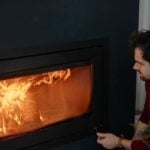
Ambiance and experience are where wood burning wins for most homeowners who care about it. The smell, the crackling sound, and the visual of a real wood fire are experiences that gas cannot fully replicate. If you love the ritual of building a fire, a gas insert will feel like a compromise regardless of how realistic the flames look.
Maintenance and cleaning requirements are significantly lower for gas inserts. No creosote buildup means reduced chimney cleaning frequency. Annual professional service still applies, but the service is less intensive and less urgent. Wood-burning fireplaces require annual cleaning and more frequent inspection for creosote accumulation.
What Does It Cost to Convert to Gas?
The cost of a gas insert conversion varies based on insert model, gas line access, and flue liner requirements.
The insert unit itself typically runs $2,500 to $5,500 depending on size and features. Installation including the flexible liner, gas connections, and labor typically adds $1,000 to $2,500. A new gas line run, if one does not already exist near the fireplace, adds $300 to $1,000 or more depending on distance from the main.
Total installed cost for most Indianapolis homes ranges from $3,500 to $8,000. The ongoing cost comparison is also relevant. Natural gas prices in Indiana are generally lower per BTU than firewood purchased from a retailer. Homeowners who source their own firewood may find wood burning comparable or cheaper in operating cost, but this requires time, storage space, and physical effort.
What Are the Maintenance Requirements for Each Option?
Wood-burning fireplace maintenance includes annual chimney inspection and cleaning, creosote removal after every one to three cords of wood burned, firebox inspection after each season, regular ash removal, and chimney cap and flashing checks. These are real time commitments that add up over the course of a heating season.
Gas insert maintenance includes annual professional service and safety inspection, glass cleaning every few months during the heating season, periodic burner and pilot assembly inspection, and an annual venting cap check. The reduction in maintenance time and ongoing cost is one of the most common reasons Indianapolis homeowners make the switch.
Is a Gas Insert Right for Every Home?
No. There are situations where keeping a wood-burning fireplace makes more sense.
If you have an active outdoor lifestyle and ready access to firewood, the economics of wood burning can be favorable compared to a gas insert conversion. If the authentic experience of a wood fire is a meaningful priority for your household, gas will disappoint you over time. If your home does not have a natural gas line nearby, the cost of adding one changes the conversion math significantly and may tip the balance back toward keeping what you have.
There are also situations where gas is clearly the better choice. If you rarely use the fireplace because it is too much work, a gas insert transforms it into something you will actually use. If you have young children or elderly family members in the home, the clean operation and reduced combustion byproducts of gas are meaningful safety and health advantages. If your existing chimney liner is damaged, a gas insert with a new flexible liner may actually be less expensive overall than a traditional flue liner repair plus ongoing wood-burning maintenance.
How Do You Make the Decision?
Start by honestly assessing how you use your fireplace today. If the answer is rarely because it is too much effort, a gas insert will likely transform it into a feature you genuinely enjoy. If the answer is every weekend in winter and you love every minute of it, you probably want to keep the wood-burning experience and invest in proper maintenance.
A consultation with a certified chimney professional can also help. Chimney Solutions Indiana inspects and services both wood-burning and gas systems throughout Indianapolis and can provide a realistic assessment of your current system’s condition before you decide on any changes.
Talk to Chimney Solutions Indiana Before You Decide
Chimney Solutions Indiana serves Indianapolis, Carmel, Fishers, Noblesville, Westfield, Zionsville, and surrounding communities. Whether you are considering a gas insert conversion or want to get more out of your existing wood-burning fireplace, our certified technicians can help you make an informed decision. Call (317) 757-6979 or visit chimneysolutionsindiana.com to schedule a consultation. We give you the honest answer, not the expensive one.