Do I Need a Chimney Inspection If I Rarely Use My Fireplace in McCordsville
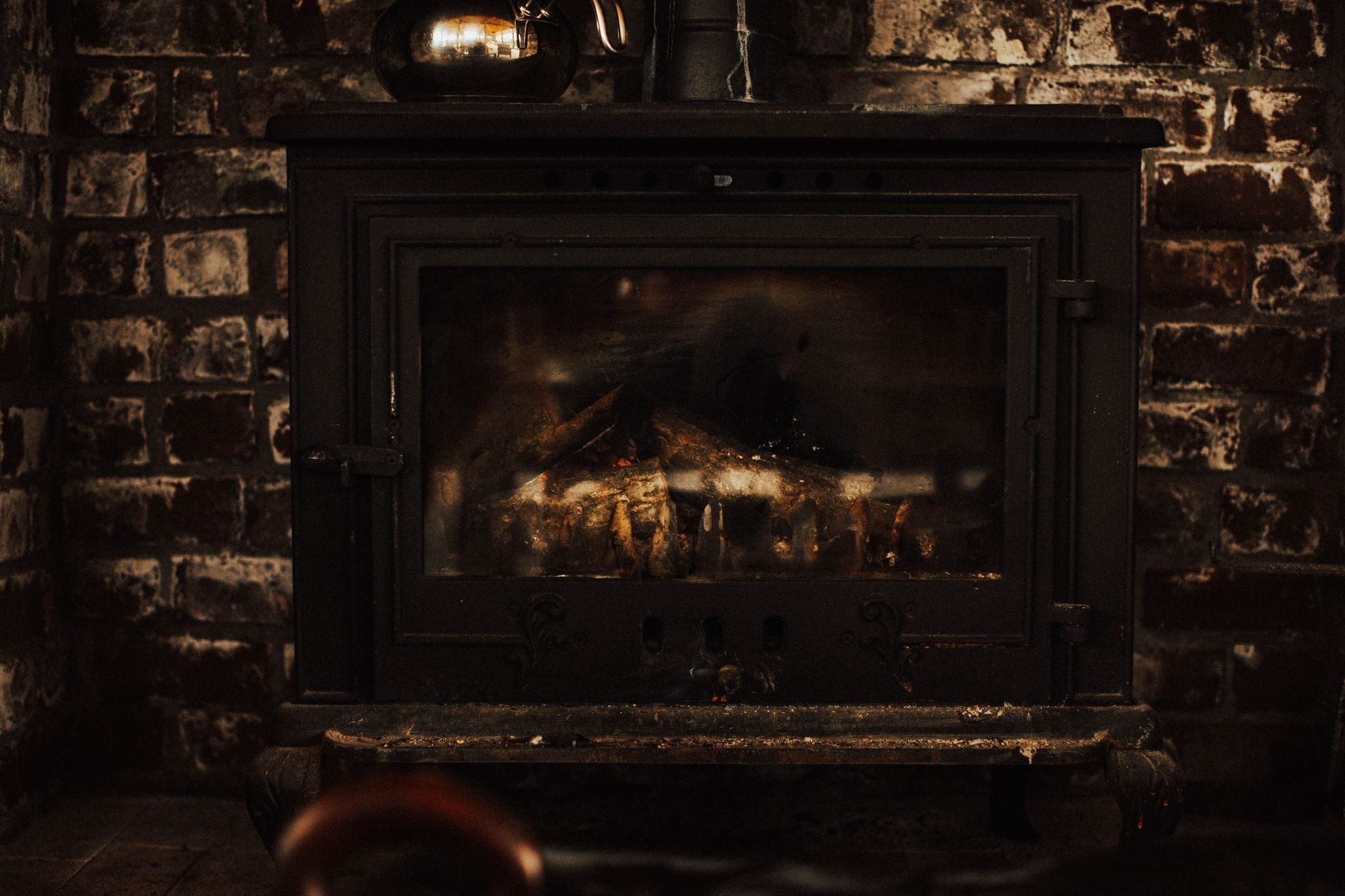 McCordsville homeowners with fireplaces they rarely use often skip the annual chimney inspection, reasoning that if you are not burning fires, nothing is accumulating in the flue. It is a logical assumption, and it is wrong. Infrequently used chimneys develop different problems than heavily used ones, but they develop serious problems just the same. In some cases, a rarely used fireplace is more dangerous to ignite than one swept annually.
Here is what happens inside a chimney that sits idle for months or years.
What Builds Up in an Unused Chimney
Creosote from wood burning is not the only hazard a chimney presents. A fireplace that has not been used in one or more seasons accumulates an entirely different category of problems.
Animal nesting is the most common finding in rarely used chimneys. Chimney swifts, starlings, squirrels, and raccoons all identify an open or loosely capped flue as a sheltered space. Nesting material, which is dry twigs, leaves, grass, and animal hair, is extremely combustible. A chimney packed with nesting material is a fire waiting to happen the moment you light the first fire of the season.
Moisture damage accumulates regardless of whether you burn fires. Rainwater entering through a damaged crown, loose cap, or deteriorated mortar joint works on the liner, mortar, and metal components whether or not the chimney is in use. An unused chimney does not have the thermal cycling of regular fires to dry out the interior, which can actually accelerate moisture-related deterioration.
Debris accumulation from the chimney itself, including falling mortar, pieces of deteriorating liner, and leaves blown in, can partially or fully block the flue. Burning a fire against a partial obstruction creates a smoke and carbon monoxide hazard immediately.
Deterioration from age and weather continues at the same pace regardless of use. Mortar erodes, crowns crack, and liner sections deteriorate on a timeline driven by Indiana weather, not by how many fires you burn.
Why Rarely-Used Fireplaces Get More Dangerous Over Time
There is a counterintuitive risk pattern with unused fireplaces. Each year they sit idle, the chance that something is wrong when you finally use them increases. A fireplace used every week gets inspected by its own use pattern. You notice if smoke backs up into the room. You notice if the damper feels stuck. You notice if the fire does not draft properly.
A fireplace used once every two or three years gives no feedback. Problems compound silently between uses, and when the fireplace is finally used, the conditions may be significantly more hazardous than anything a regularly used fireplace would present.
The Specific Risks of the First Fire After a Long Hiatus
When a rarely used McCordsville fireplace is put back into service without inspection, here is what the first fire can encounter.
| Risk Factor | Cause | Consequence |
|---|---|---|
| Animal nest in flue | Chimney used as nesting site | Fire in the flue from ignited nesting material |
| Partially blocked flue | Debris or fallen liner material | Carbon monoxide backup into living space |
| Cracked or failed liner | Years of moisture and freeze-thaw damage | Combustion gases reach framing, structural fire risk |
| Stuck damper | Rust and debris accumulation | Smoke fills the room when fire is lit |
| Missing or damaged cap | Cap failure over time | Rain, debris, and animals have direct flue access |
| Deteriorated mortar | Years of unaddressed weathering | Heat from fire reaches areas it was not designed to reach |
Any one of these conditions is a reason not to light a fire until the chimney has been professionally inspected and cleared. Several of them together make the first fire a genuine hazard.
What Annual Inspection Covers for an Unused Fireplace
Annual inspection of a rarely used chimney does not include a full creosote sweep if no wood burning has occurred. It focuses on the structural and safety conditions that develop independent of use.
A qualified chimney inspector from Chimney Solutions Indiana will assess the following for a rarely used fireplace.
- Flue for animal nests, debris, and blockages
- Chimney cap condition and security
- Crown condition and any cracks that allow water entry
- Flue liner for damage, deterioration, or fallen sections
- Mortar joint condition throughout the chimney structure
- Damper operation and seal
- Firebox condition including firebrick and mortar
- Draft function prior to any fire being lit
Finding and addressing any of these issues annually keeps the fireplace safe to use on the rare occasions you want it.
The Gas Fireplace Exception
If your McCordsville fireplace was converted to gas at some point and is not used for wood burning, annual inspection is still required for the gas appliance components. Gas fireplace inspection covers the burner, pilot assembly, gas connections, and venting system. A gas fireplace that has not been inspected annually can develop venting failures, pilot problems, or gas valve issues that are not apparent until the appliance is in use.
For gas fireplaces, annual inspection is a manufacturer and safety requirement regardless of how infrequently the appliance is operated.
Can You Skip Inspection If You Are Thinking of Removing the Fireplace?
If you are planning to permanently decommission or remove the fireplace, an inspection is still important before you make that decision. Some homeowners decide to remove a fireplace because they believe it is beyond repair, when in fact targeted repairs would restore it to full function at a reasonable cost. An inspection gives you the information needed to make that decision accurately.
If you are proceeding with removal, inspection and proper sealing of the chimney are necessary steps regardless. An improperly decommissioned chimney can still allow water intrusion and animal access into your home structure.
The Bottom Line on Inspection for Rarely Used Fireplaces
The National Fire Protection Association’s standard applies to all wood-burning fireplaces and venting systems, not just those in heavy use. NFPA 211 recommends annual inspection regardless of frequency of use.
For McCordsville homeowners with a fireplace they use occasionally or rarely, the inspection is even more valuable than for someone using it weekly. The occasional-use fireplace is the one most likely to surprise you with a serious problem the one time you want to use it.
Annual inspection of a rarely used fireplace is quick, inexpensive relative to what it protects, and gives you the confidence to light a fire safely whenever the Indiana winter calls for one.
Visit chimneysolutionsindiana.com to schedule an inspection for your rarely used McCordsville fireplace and make sure it is ready when you want it.