How to Use Your Fireplace Damper Correctly for Better Efficiency in Martinsville
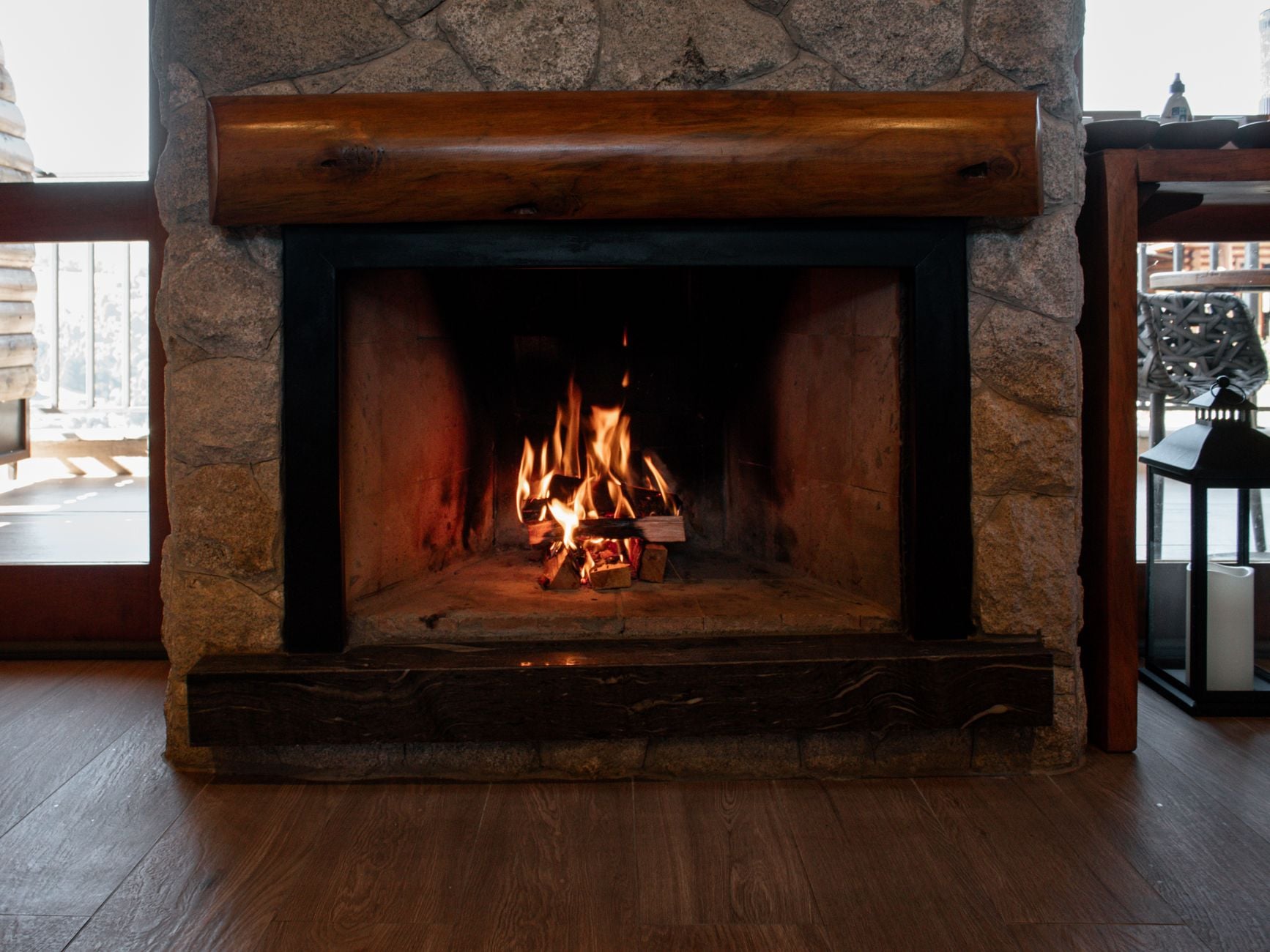
The fireplace damper is one of the most misunderstood components in any Martinsville home. Some homeowners leave it open all the time. Others close it between fires and never think about it again. Neither approach is optimal, and getting the damper wrong can cost you significant heat, create a smoke problem, or introduce a genuine carbon monoxide risk. The correct approach is simple once you understand what the damper actually does and when each position is right.
What a Fireplace Damper Does
The damper is a movable plate located in the throat of your chimney, typically about eight to twelve inches above the firebox floor. Its job is to control airflow between the firebox and the chimney flue.
When open, the damper allows air and combustion gases to flow freely up and out of the chimney. This is the required position any time a fire is burning or any time hot coals or embers remain in the firebox.
When closed, the damper blocks the flue opening and prevents conditioned air from your home from escaping up the chimney. It also keeps cold outside air and wind from drafting down into your living space.
Those two jobs, enabling safe combustion during fires and preventing heat loss when the fireplace is not in use, are both critical. A damper that sticks open wastes heat all winter. A damper left closed during a fire creates a serious life safety hazard.
When to Open Your Damper
Open your damper fully before any fire is lit. Do not wait until the fire is already going to discover the damper was closed. Smoke from even a small fire builds up in a firebox rapidly when the damper is shut, and by the time you react, smoke is already in your living room.
Open the damper about ten to fifteen minutes before lighting your fire on very cold days. This allows the cold air column inside the flue to warm slightly, which improves initial draft and reduces the chance of smoke rollout when you first light the fire.
Keep the damper fully open during the entire fire, including while coals are still hot and glowing after visible flames have died down. Carbon monoxide from smoldering coals is just as dangerous as carbon monoxide from active flames.
Do not close the damper until the firebox is completely cool and all coals and ash are cold. A safe test is the ash touch test. If the ash is cool to the touch and shows no glow, it is safe to close the damper.
When to Close Your Damper
Close the damper whenever the fireplace is not in active use and the firebox is completely cold.
An open damper on a cold Indiana day in Martinsville can draw enormous amounts of warm air up and out of your home. Studies have found that a single open fireplace damper can add hundreds of dollars per year to a home’s heating costs by acting as a constant chimney effect on your furnace-heated air.
Closing the damper is especially important in these situations.
- After each fire once the firebox is completely cold
- During the spring and summer months when the fireplace is not in use
- During unusually cold winter nights when you are relying on central heat
- Anytime your home smells drafty around the fireplace
An easy memory rule for Martinsville homeowners: if there is no fire and no hot coals, the damper should be closed.
Signs Your Damper Is Not Working Correctly
A properly functioning damper operates smoothly and seals fully in the closed position. These signs indicate a problem that warrants professional attention.
| Symptom | Likely Cause |
|---|---|
| Damper is stuck and will not move | Rust, debris, or damaged pivot hardware |
| Damper moves but will not close fully | Warped metal from past chimney fire |
| Cold air draft even with damper closed | Warped seal, corrosion, or improper fit |
| Smoke comes into the room during fires | Damper not fully open or blocked flue |
| Visible rust or corrosion on damper plate | Water entry into flue, needs investigation |
| Damper makes grinding sound when moved | Debris on pivot mechanism, needs cleaning |
A damaged or improperly fitting damper forces you into a lose-lose situation. Leave it closed and risk smoke during fires. Leave it open and lose significant heat all winter.
The Heat Loss Reality of an Open Damper
Martinsville winters run from October through March, roughly six months of active heating season. If your damper is stuck open or if you routinely forget to close it between fires, your home is essentially running with a permanent hole in the ceiling of your living room.
Here is how significant that heat loss can be.
| Home Size | Estimated Annual Heat Loss From Open Damper |
|---|---|
| 1,500 sq ft home | $200 to $350 per year |
| 2,500 sq ft home | $300 to $500 per year |
| 3,500 sq ft home | $400 to $650 per year |
These are estimates and vary based on insulation, heating system efficiency, and local fuel costs, but they illustrate why a functioning, properly closed damper pays for itself.
Top-Mount Dampers as an Upgrade Option
If your existing throat damper is damaged, worn out, or simply not sealing well, a top-mount damper is an excellent upgrade option for Martinsville homeowners.
A top-mount damper installs at the top of the chimney and works like a door over the entire flue opening. It provides a much better seal than a throat damper because it uses a gasket system rather than a metal-to-metal contact seal. It also provides the function of a chimney cap, keeping rain and animals out of the flue.
Top-mount dampers open via a stainless steel cable that runs down through the flue and attaches to a lever inside the firebox. You can open and close the damper from the firebox without reaching up into the throat.
If your existing damper is failing, replacing it with a top-mount unit is often more effective than repairing the original.
A Properly Functioning Damper Is a Safety Component
The damper is not just about efficiency. A fully open damper during a fire is what keeps combustion gases, including carbon monoxide, from backing up into your Martinsville home. It is a safety-critical component that deserves attention during every annual chimney inspection.
Ask your Chimney Solutions Indiana technician to assess your damper during your fall sweep appointment. If it is not opening fully, closing properly, or sealing tightly, addressing it before winter is far better than discovering the problem when you need the fireplace most.
Visit chimneysolutionsindiana.com to schedule your chimney inspection and damper assessment in Martinsville before the fall burning season begins.