How to Light a Fireplace Safely on the First Cold Night of Anderson Winter
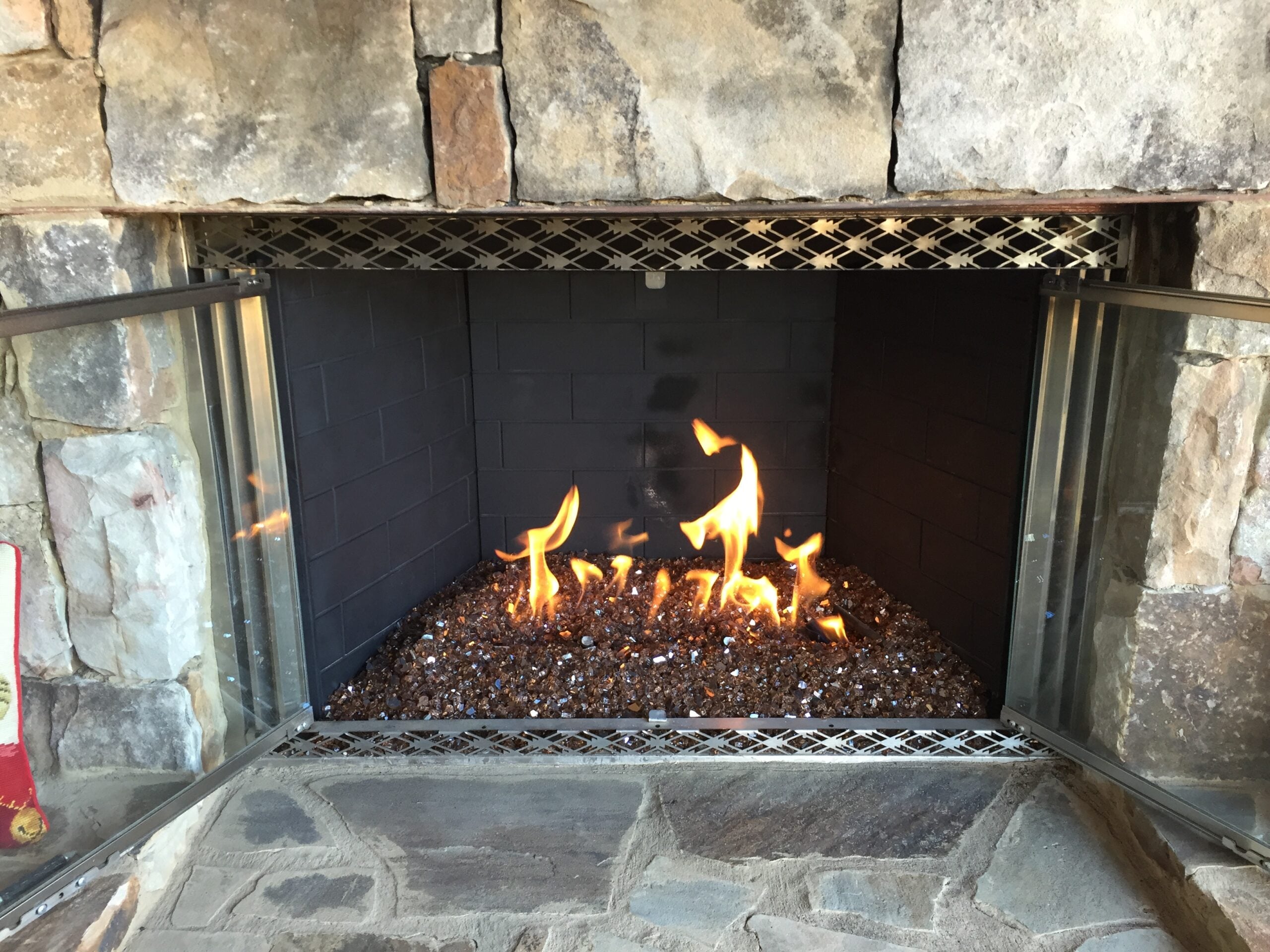 The first truly cold night of the year is the moment most Anderson families have been waiting for. The temperature drops, the wind picks up, and the fireplace that sat quiet since last spring suddenly looks like the best seat in the house. It is also the night when the most avoidable mistakes happen. Knowing how to light a fireplace safely in Indiana takes about ten minutes of preparation, and those ten minutes protect your home, your family, and your chimney. If you want to know how to light fireplace safely Indiana winters demand, start with the checks below.
Here is the exact sequence to follow before you strike a match on that first cold night.
How to Light Fireplace Safely Indiana Homeowners Can Trust: Start With a Quick Check
A fireplace that has been unused for months can hide problems that were not there in April. Spend a few minutes on these checks before any wood goes in.
- Look up the flue with a flashlight. You should see open sky or a clear, dark shaft. Birds’ nests, leaves, and debris can block the flue completely.
- Check the firebox for cracks or loose bricks. Gaps in the firebox let heat reach the framing behind it.
- Make sure the smoke detector and carbon monoxide alarm have fresh batteries. Test both. Place them on every level of the home and near sleeping areas.
- Clear the hearth. Remove rugs, stockings, newspapers, and decor within three feet of the opening.
- Confirm you have a working screen or glass doors. Sparks and popping embers need somewhere to stop.
If you see heavy black buildup on the flue walls, cracked tile, or water staining, do not light the fire. Those are signs the chimney needs professional attention first. Our guide on why annual chimney cleaning is non-negotiable explains what creosote looks like and why it matters.
Open the Damper Fully and Prime the Flue
The damper is the single most important control on a wood-burning fireplace. A closed or partly closed damper forces smoke and carbon monoxide back into your living room within minutes.
Open the damper all the way. Confirm it by looking up or using a flashlight and a small mirror. If you cannot tell whether it is fully open, treat it as closed until you can see it clearly.
On a cold night there is one more step that most people skip. A cold chimney is full of dense, heavy air that pushes downward and fights the rising smoke. This is called a cold flue or a cold plug, and it is the reason a new fire sometimes puffs smoke back into the room.
To prime the flue, roll a sheet of newspaper into a tight torch, light the end, and hold it up near the open damper for about a minute. The warm air starts moving upward and sets the draft in the right direction before your fire even begins. We cover how the damper affects draft in more detail in how to use your fireplace damper correctly.
Choose the Right Fuel
What you burn matters as much as how you light it. In Indiana, the best fuel is properly seasoned hardwood that has dried for at least six to twelve months.
| Fuel Type | Safe for Your Fireplace? | Why |
|---|---|---|
| Seasoned hardwood (oak, ash, maple, hickory) | Yes | Burns hot and clean with little smoke |
| Kiln-dried firewood | Yes | Low moisture, reliable ignition |
| Unseasoned or green wood | No | Smoky, burns cool, builds creosote fast |
| Softwood (pine, spruce) | Use sparingly | Burns fast and leaves more creosote |
| Cardboard, wrapping paper, treated lumber | Never | Releases toxic fumes and throws sparks |
| Manufactured logs | Follow the label | Burn one at a time, never with wood |
Wood is ready to burn when it has cracks at the ends, sounds hollow when two pieces knock together, and feels light for its size. If you want help choosing and storing wood, read the best wood for your fireplace and how to store it safely.
Build the Fire the Right Way
A smaller, well-built fire is safer and warmer than a large pile of logs. Use this simple top-down or traditional method.
- Place two or three dry logs on the grate. Leave space between them so air can move.
- Add kindling. Use dry sticks, not paper alone. Crossed layers let flame climb.
- Tuck two or three firestarters or loosely twisted newspaper under the grate. Avoid glossy paper and colored inserts.
- Light the starter at the bottom. Keep the screen or doors open just enough to feed air until the fire catches, then close the screen.
- Add one log at a time once the fire is established. Do not stack more than the firebox can safely handle.
Never use gasoline, lighter fluid, or any accelerant. These can flash back and send flames out of the firebox in an instant.
Watch the Fire and Know When to Stop
A lit fireplace is never something to set and forget. Stay in the room while the fire burns, and keep these habits.
- Keep children and pets at least three feet from the opening
- Use the screen every time, including when the fire looks small
- Never leave the fire burning while you sleep or leave the house
- Keep a fire extinguisher or a bucket of sand within reach
- Do not close the damper to “hold in heat” while embers are still glowing
When it is time to end the night, let the fire burn down on its own. Spread the ashes with a poker, and wait until the embers are fully cool before closing the damper. Closing it too early traps carbon monoxide inside the home.
Know the Difference Between a Good Fire and a Smoky One
A healthy fire burns with bright, steady flames and little visible smoke leaving the chimney. If you notice any of the following, the fire is telling you something is wrong.
- Dark, heavy smoke usually means wet wood or a restricted airflow
- Smoke drifting into the room points to a closed damper, a cold flue, or a blockage
- A hissing or popping sound is moisture escaping from unseasoned wood
- A fire that struggles to stay lit often needs more air or smaller, drier kindling
Do not simply open a window and keep going. Put the fire out safely, find the cause, and fix it before the next burn. Sparks that float up into the chimney can also ignite creosote left from last season, so a quiet, steady fire is always safer than a roaring one.
Handle Ashes Like a Hazard
Ashes that look cold can hold live embers for up to several days. Scoop them into a metal container with a tight-fitting lid and store it outside, away from the house, the garage, and any wood pile. Never place ashes in a paper bag, cardboard box, or plastic bin.
Leave about an inch of ash in the firebox as insulation for the next fire, and remove the rest.
When to Call a Professional Before Your First Fire
Some warning signs mean the fireplace should stay unused until a certified technician has looked at it.
- Smoke rolling into the room even with the damper open
- A strong smoky or tar-like odor when the fireplace is not in use
- Cracked or crumbling firebrick or mortar
- Rust, flaking, or water stains on the damper or the firebox
- Sparks or soot falling from the chimney opening
- It has been more than a year since the last inspection
A Level 1 inspection is the baseline for a fireplace in regular use, and a deeper inspection is the right call when you notice any of the signs above. Even a rarely used fireplace should be checked, which we explain in do I need a chimney inspection if I rarely use my fireplace.
Lighting that first fire should feel warm and calm, not stressful. Visit chimneysolutionsindiana.com to schedule a chimney inspection for your Anderson home and be ready for the first cold night with confidence.