How To Identify Stains On Your Chimney
No one likes stains. They can ruin your favorite shirt, leave a mark on your garage floor, and look unsightly. Stains around your home vary based on the source of the stain; specifically with your chimney, there are a few ways to identify the stains on the surface. Here are the five most common causes of chimney stains.
 White stains on your chimney
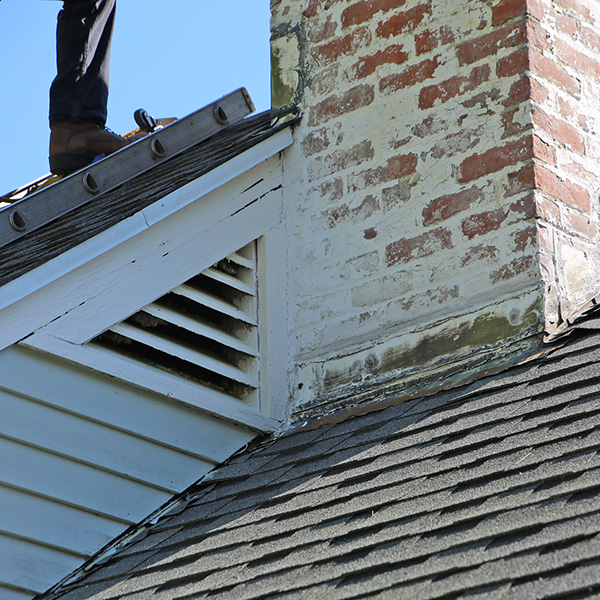
There is one primary cause of white stains on your chimney: efflorescence. This is a natural evaporation process that, when the water turns to gas, leaves behind a mineral residue. On the exterior of your chimney, this might be less of a cause for concern (though nevertheless should be addressed with an inspection). On the interior of your chimney, however, efflorescence white stains are indicative of a larger problem with your masonry.
Black stains on your chimney
If you see black stains on your chimney, you should contact Chimney Solutions immediately. This is a sign that you’re dealing with excessive soot, possibly as a result of creosote buildup within your flue. Creosote is a byproduct of burning wood, yes, but it’s also highly flammable. This can lead to a house fire if not dealt with properly.
Brown stains on your chimney
As a follow-up to black stains, brown stains are almost always a sign that you have excessive creosote within your flue. This type of stain, too, is a cause for concern. Creosote is a leading cause of house fires, and if you’re seeing brown stains, it means you’re in immediate need of a sweep.
Green stains on your chimney
Sometimes, you might notice green stains on your chimney. This results from excessive moisture build-up that promotes bacterial and plant growth. Usually, green stains indicate algae is present somewhere in your chimney structure. It’s not a physical problem per se; however, excessive algae growth over time can lead to the deterioration of your masonry (which, in turn, will lead to other issues).
Red stains on your chimney
Red stains almost universally point to rust problems somewhere in one of your chimney components. A rusty cap, for example, can lead to red stains along your brick-and-mortar. If you noticed red stains on the interior of your chimney, such as the inside of your firebox, it often means that your damper has begun to rust and needs to be replaced. Overall, there are several ways that rust can form within your chimney, so it’s best to have it inspected as soon as possible if you notice any.
 All chimney stains are a sign to have your chimney inspected
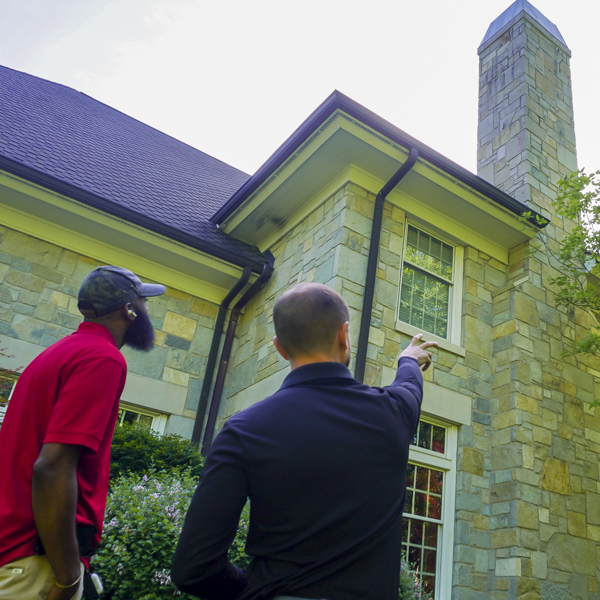
We can look at a stain and think “that’s just a part of normal wear and tear.” Perhaps this is true with some things, but not with your chimney. In virtually every case, chimney stains are indicative of a problem that needs to be inspected and then addressed/repaired as soon as possible.
If you’re beginning to see signs of staining on or around your chimney, let us know. Contact Chimney Solutions, LLC by calling us at (317) 757-6979 or sending us a message.