
How to Clean Your Wood-Burning Fireplace Before Summer Ends
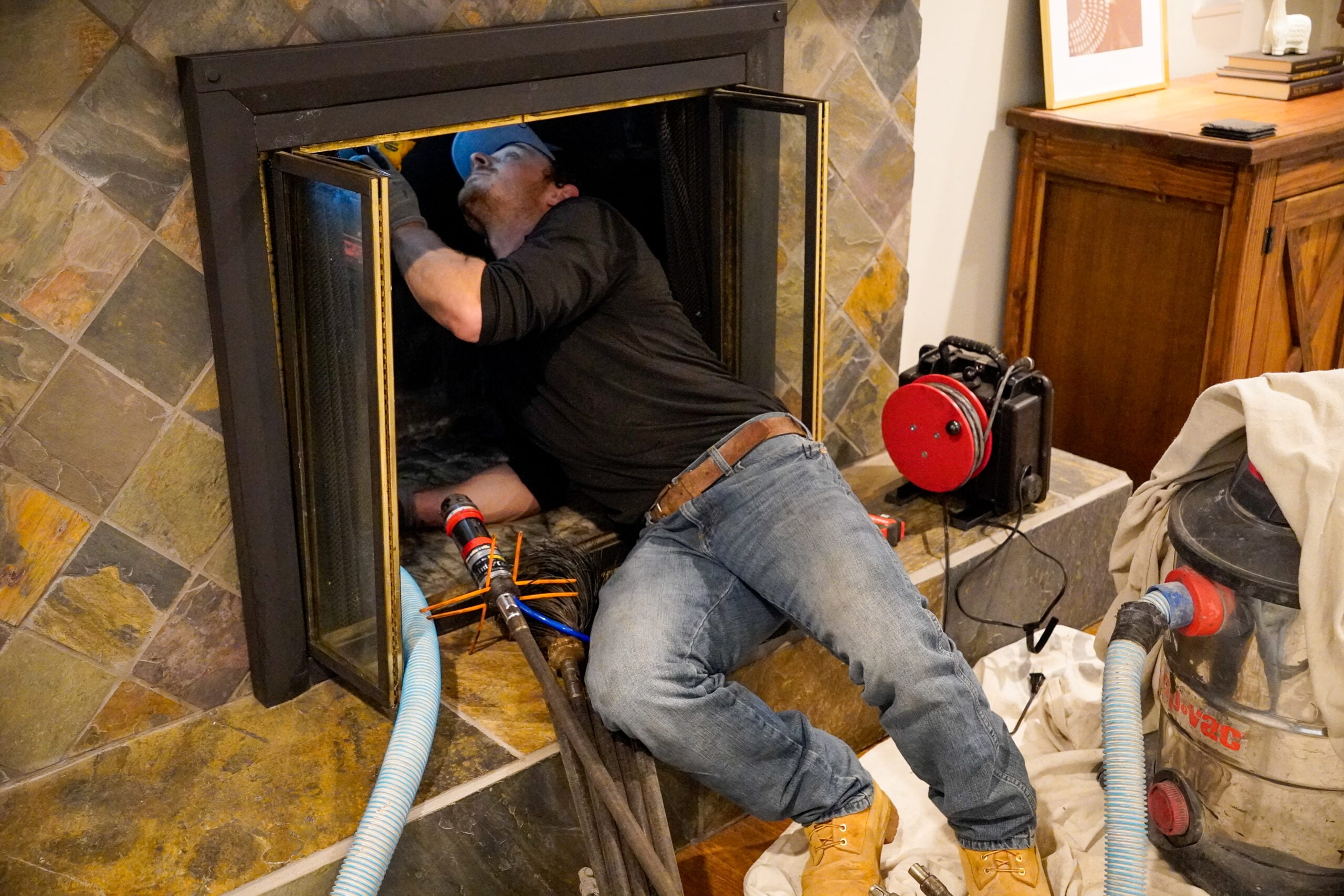 The last fire of spring is long forgotten. The fireplace has been sitting idle for months, full of ash, soot, and the leftover residue from a full heating season. Before summer ends and fall fires begin, it needs a thorough cleaning.
Here is how to approach it the right way.
Why Summer Is the Right Time
Most homeowners think about fireplace cleaning in October, right before they want to use it. But summer is actually the better time to clean. The deposits from last season have had months to cool and settle. There is no urgency or rush. And if the inspection finds anything that needs repair, there is still time to get it fixed before heating season.
What You Need for a Basic Firebox Cleaning
Before you start, gather these supplies.
– Drop cloths or old newspapers to protect the floor
– Stiff-bristle brush
– Metal ash bucket with a lid
– Dustpan and small brush
– HEPA vacuum – standard vacuums spread ash through the air
– Fireplace glass cleaner if your unit has a glass door
– Protective gloves and eye protection
Step-by-Step Fireplace Cleaning
Follow these steps to clean the firebox safely.
Step 1 – Wait at least 72 hours after the last fire. Ash holds heat longer than most people expect. Never clean a fireplace with hot or warm ash.
Step 2 – Lay drop cloths around the hearth. Ash is fine and will spread across your floor if you are not careful.
Step 3 – Scoop ash into the metal bucket. Use the dustpan and brush to collect loose ash. Always use a metal container because ash can reignite.
Step 4 – Brush the firebox walls. Use the stiff-bristle brush to loosen soot from the firebox walls and floor. Work from top to bottom.
Step 5 – Vacuum with a HEPA vacuum. Once loose debris is collected, vacuum the firebox thoroughly. A HEPA filter keeps ash particles from re-entering your home air.
Step 6 – Clean the glass if applicable. Use a fireplace-specific glass cleaner and a soft cloth to remove soot from glass doors.
What You Cannot Clean Yourself
The firebox is just the part you can see. The flue above it carries smoke and combustion gases out of your home and cannot be cleaned with household tools.
Creosote, the byproduct of wood burning, builds up inside the flue over every heating season. It comes in three stages.
Stage | Description | Risk Level
Stage 1 | Loose, flaky soot | Low – easy to brush
Stage 2 | Tar-like black coating | Moderate – requires professional brushing
Stage 3 | Hard, glazed deposits | High – requires chemical treatment
Stage 2 and Stage 3 creosote require professional equipment and trained technicians. Attempting to remove them without the right tools can leave your flue damaged and your home at risk.
 When to Call Chimney Solutions Indiana
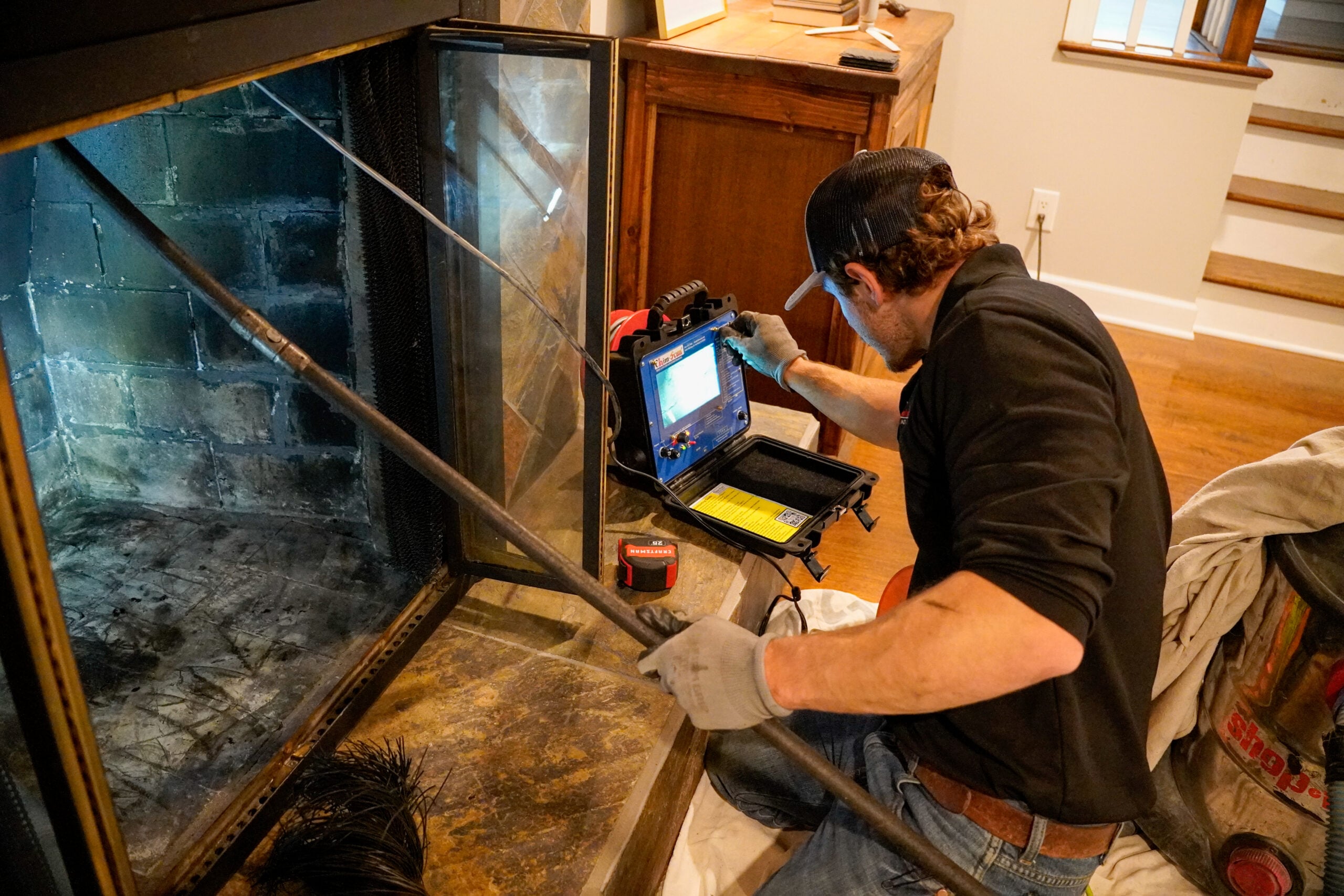
If it has been more than a year since your last professional chimney cleaning, or if you burned more than a cord of wood last season, it is time for a professional sweep. Chimney Solutions Indiana serves communities across central Indiana with certified chimney cleaning and inspection.
Visit chimneysolutionsindiana.com or call us today to get your chimney ready before fall.